

A Family-Run Tortoise Breeding Operation in Butte County, Northern California
We raise captive-bred tortoises and help keepers care for them. Education, responsible ownership, preservation, and conservation guide our work.
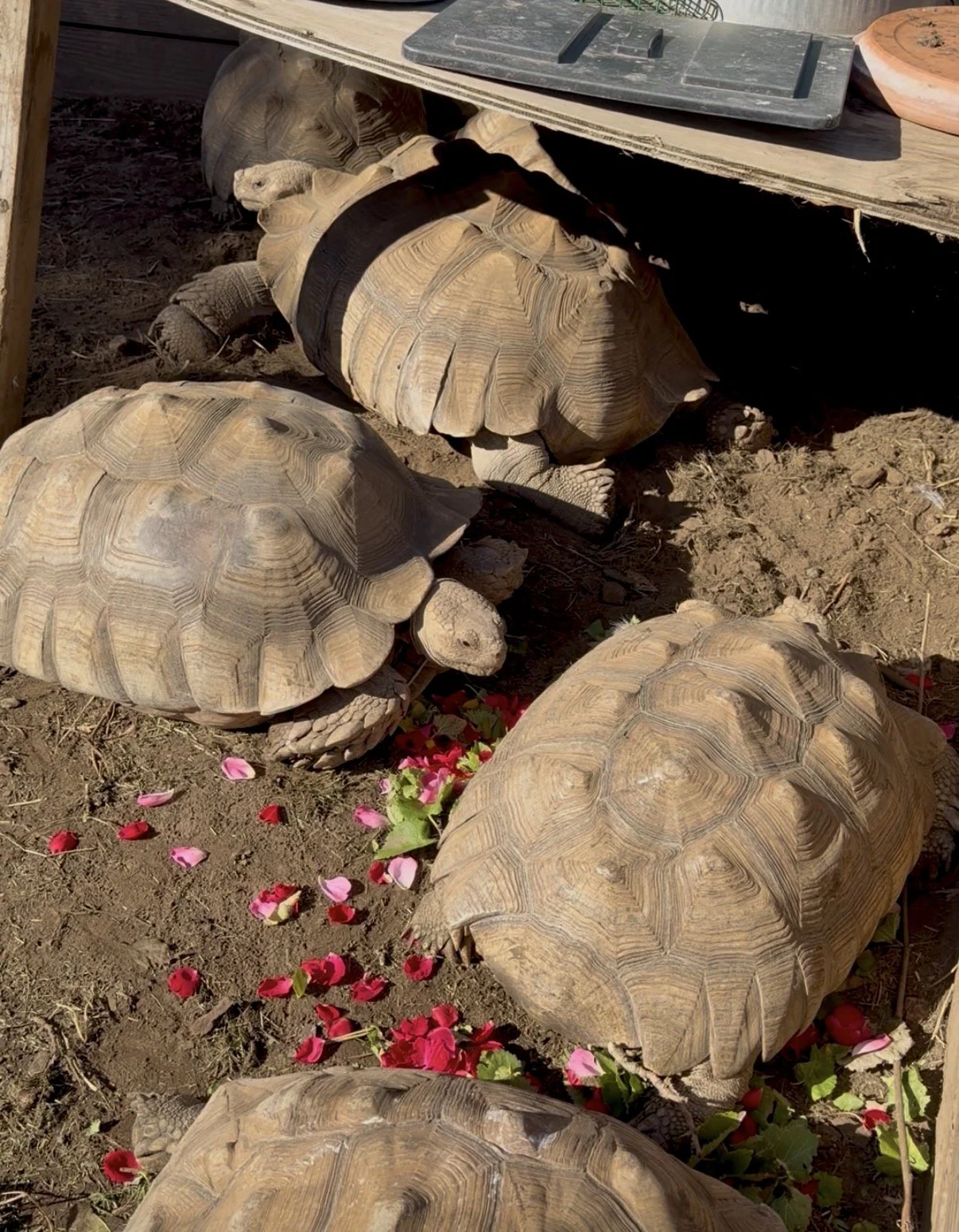
From the Tortoise Yard
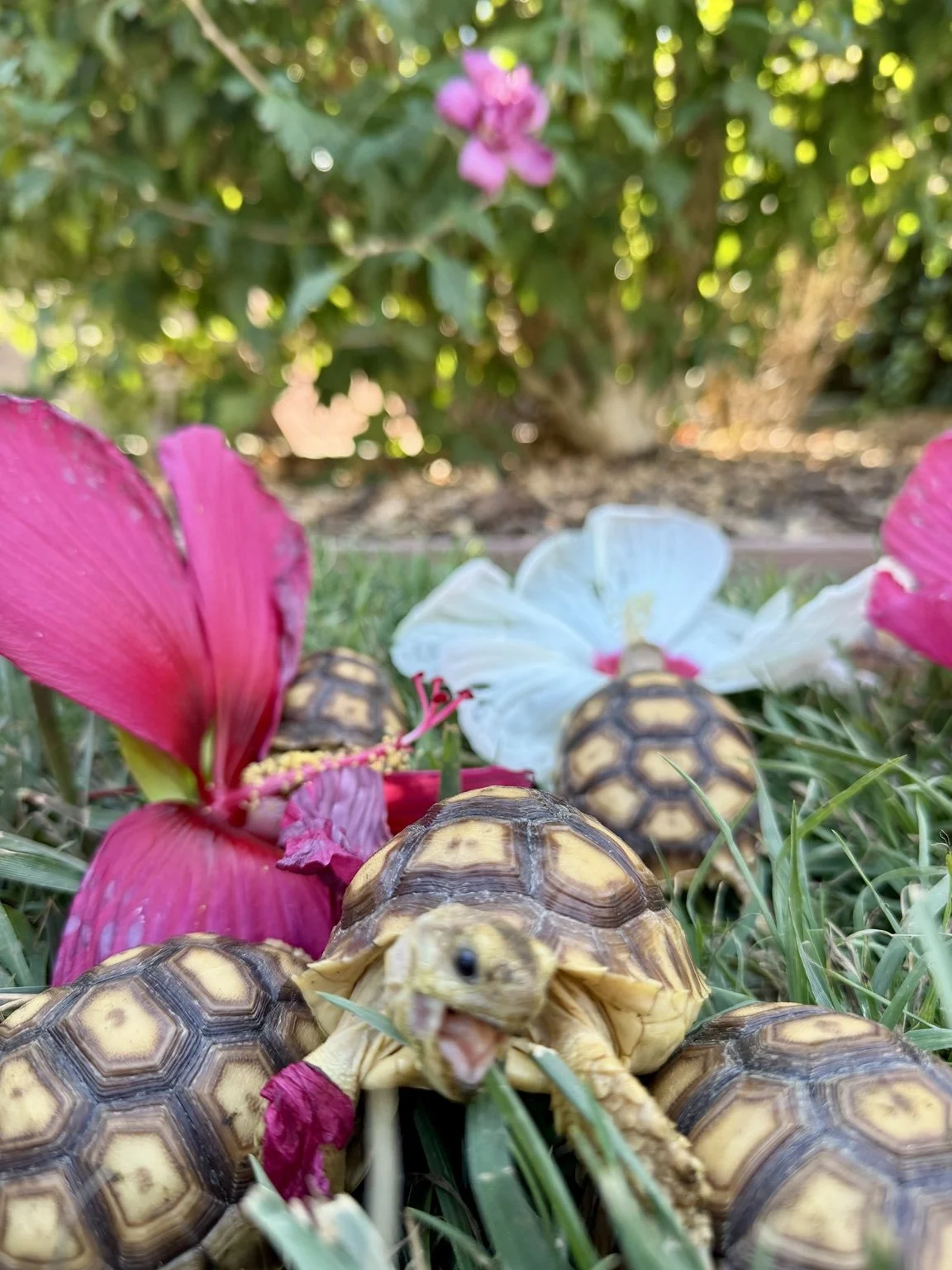
An afternoon with the Sulcatas
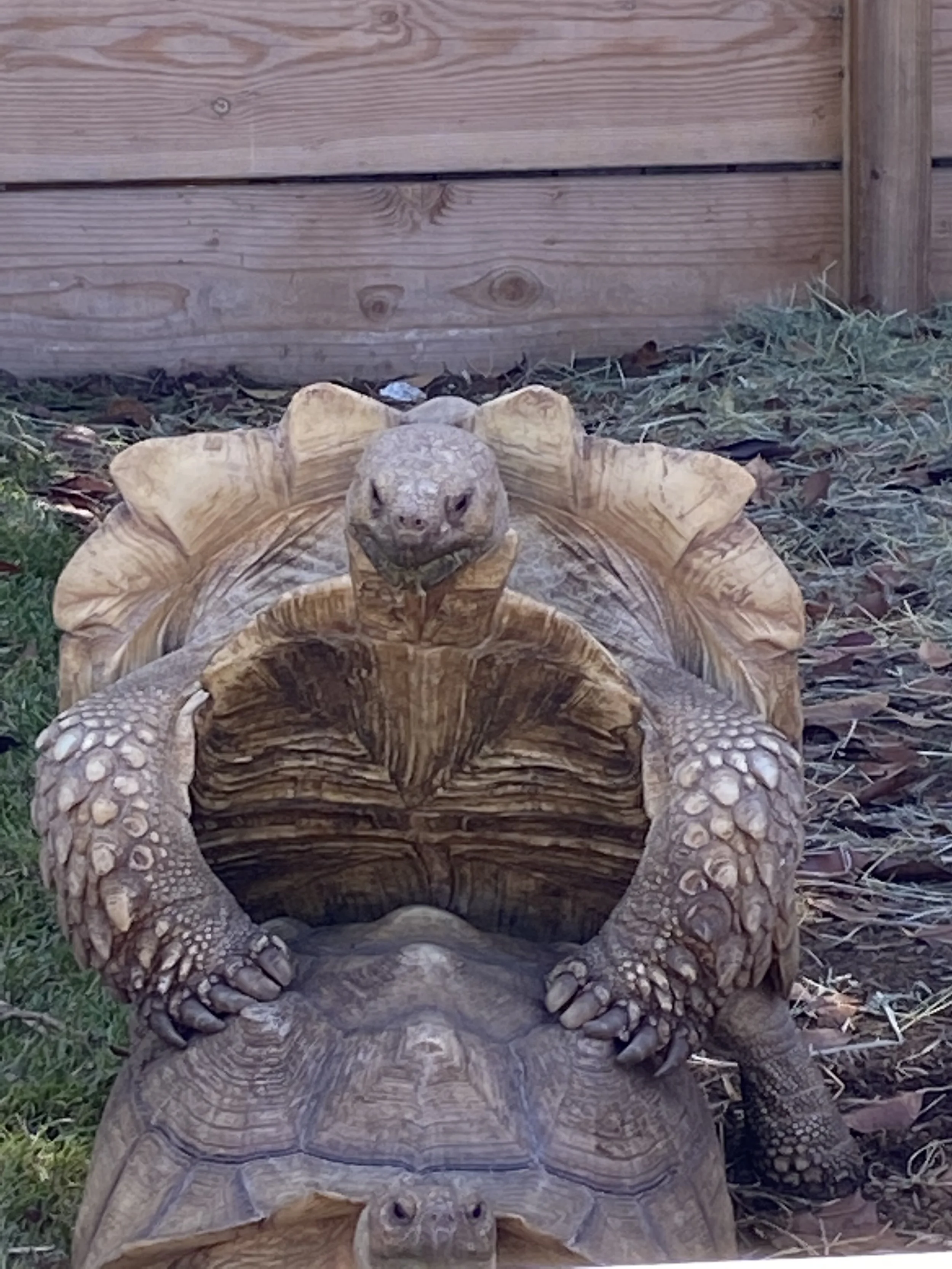
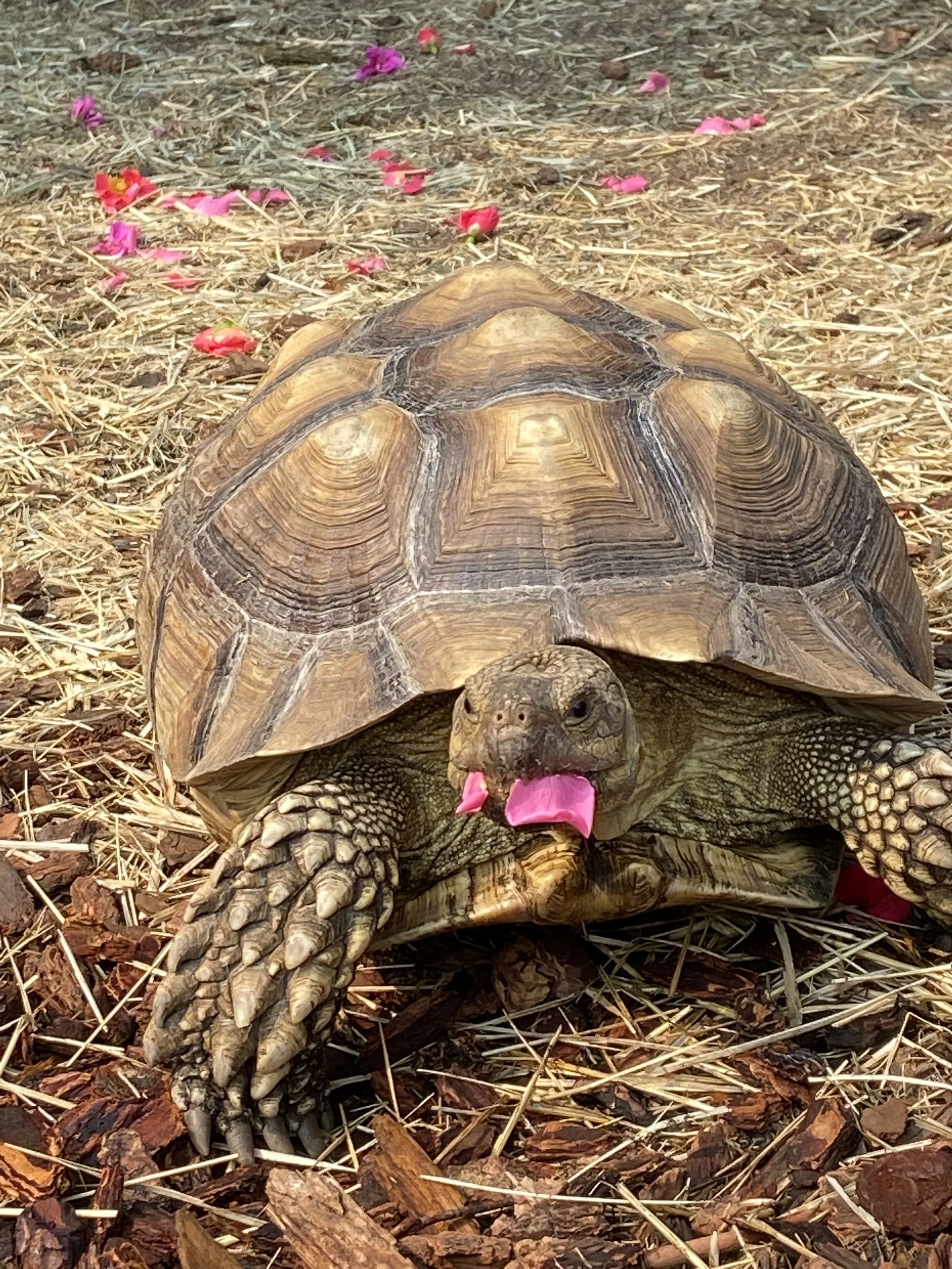
A little sunshine, a few rose petals, and our biggest tortoises out in the yard.
Meet the Sulcatas →Our Mission
We’re Black Butte Tortoise, a family-run breeding program in Butte County, Northern California. We raise healthy, captive-bred tortoises and share what we’ve learned caring for them.
Care and responsible breeding
We build enclosures around the needs of each species so our tortoises have room to explore, forage, bask, and retreat. We plan our breeding with the health of the adults and their offspring in mind.
Education for keepers
We share practical guidance on housing, lighting, hydration, and diet with first-time owners and longtime keepers. Our species care guides are a starting point for planning an enclosure.
Preservation and conservation
We believe responsible captive breeding can help reduce demand for wild-caught tortoises. We want more people to understand these animals and appreciate the places they come from.
A Family-Run Tortoise Breeding Operation in Butte County, Northern California
We raise captive-bred tortoises and help keepers care for them. Education, responsible ownership, preservation, and conservation guide our work.
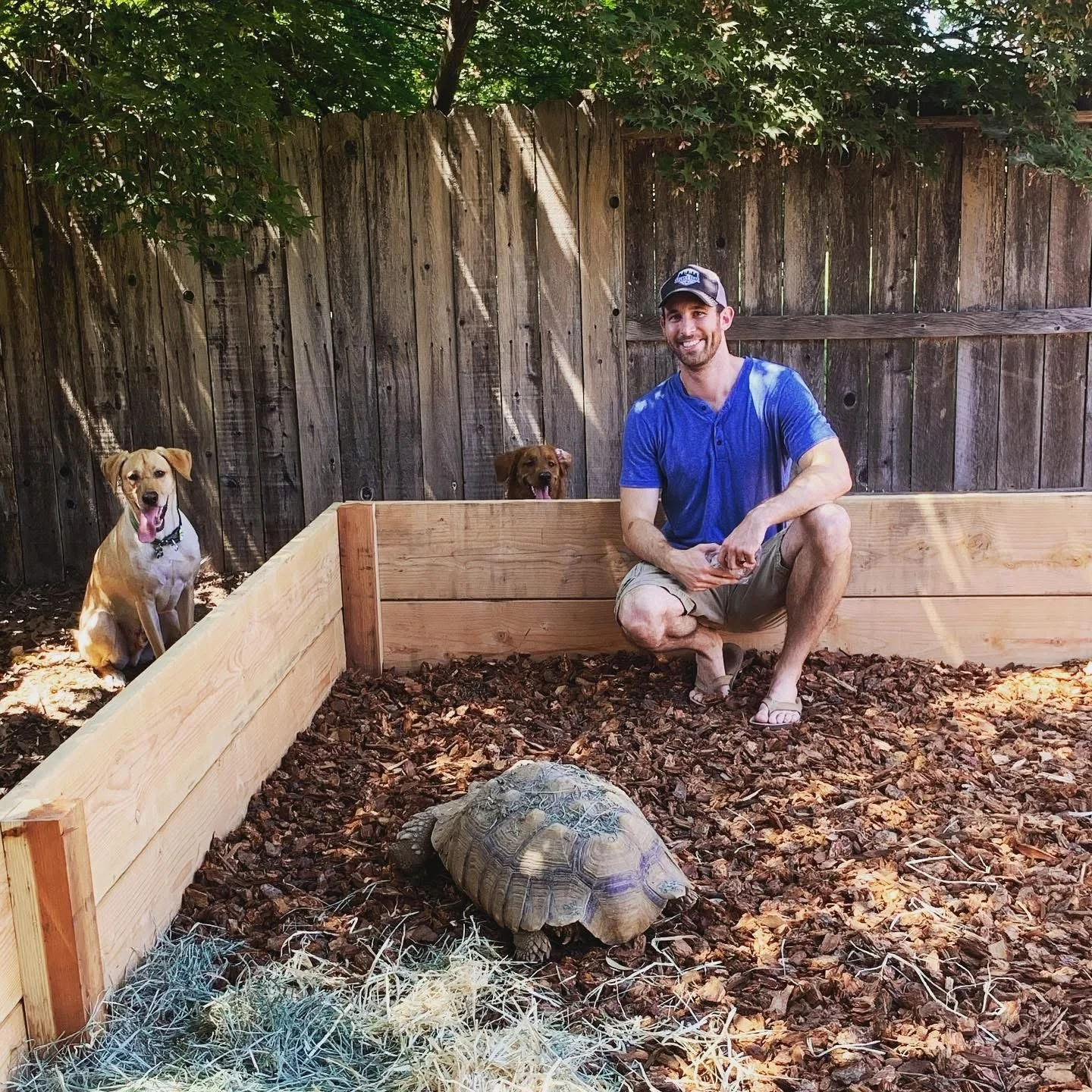
How Black Butte Tortoise Started
I grew up with reptiles, including two Sulcata tortoises. The Sulcatas were my mom’s idea. I always told myself that when I had a home of my own with a little land, I’d get tortoises of my own.
Today, raising tortoises is something I get to share with my family. What started with those two Sulcatas is now Black Butte Tortoise.
— Kyle
Meet Our Tortoises & Box Turtles
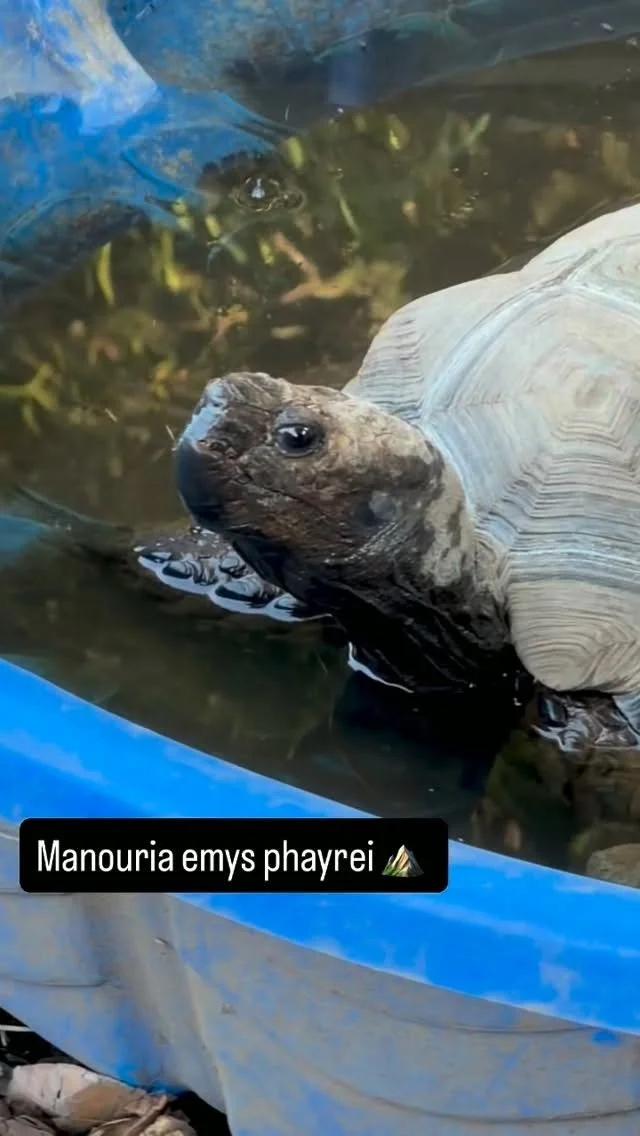
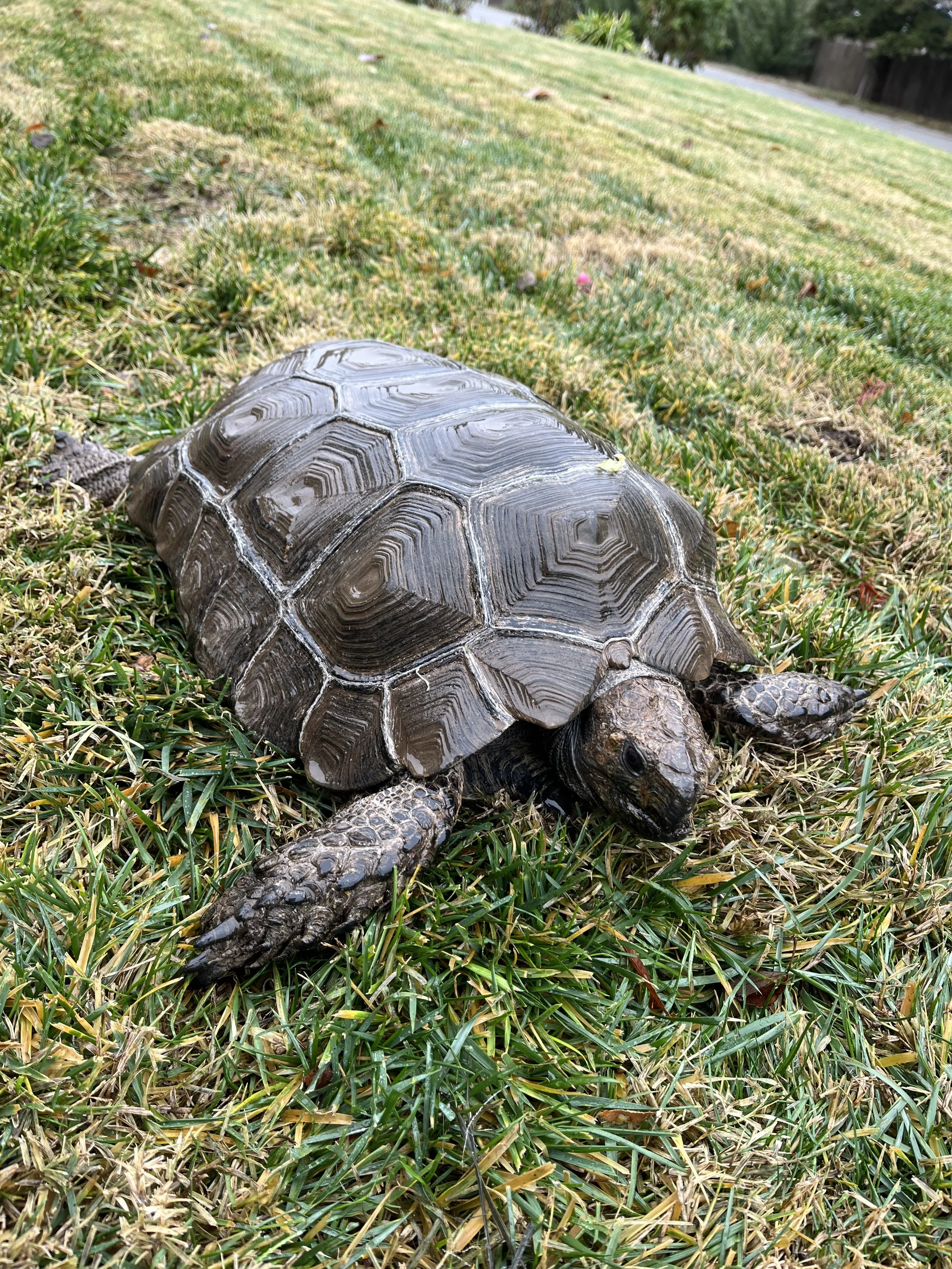
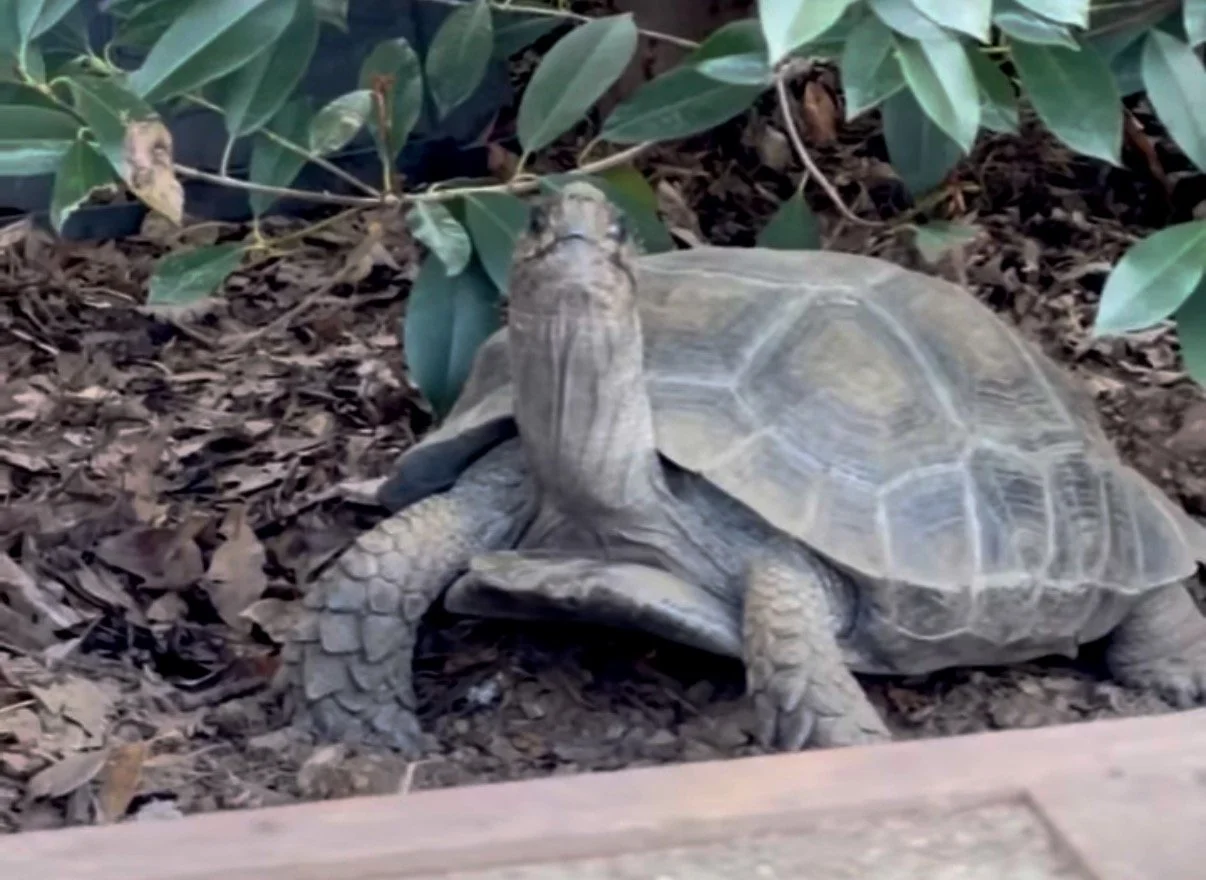
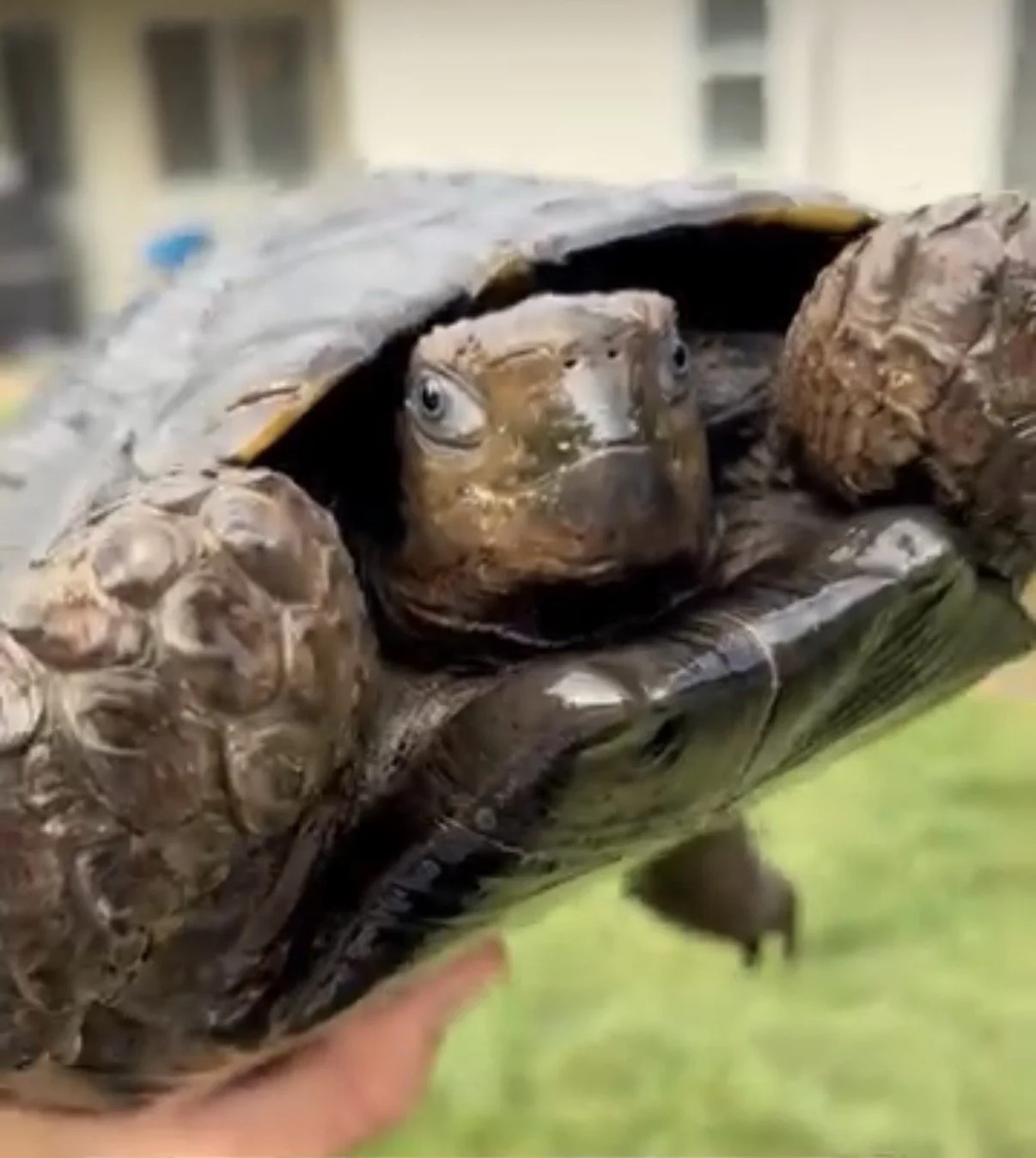
Burmese Black Mountain Tortoises
Manouria emys phayreiMeet Betty, Brie, Al, and Otis.
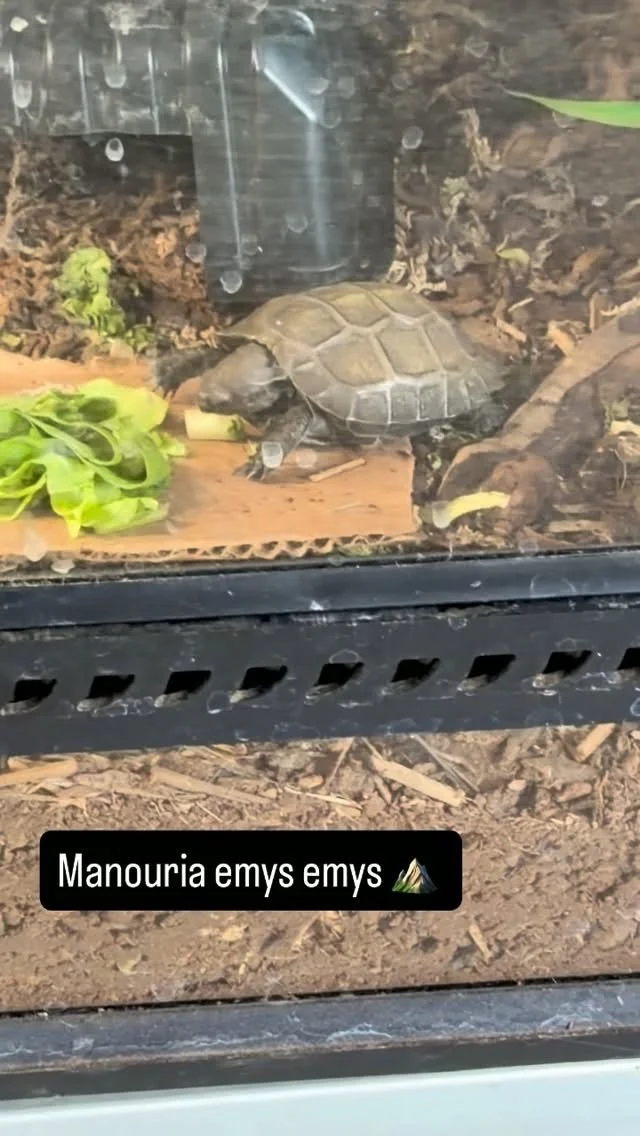
Burmese Brown Mountain Tortoises
Manouria emys emysMeet our young Burmese Brown Mountain tortoise.
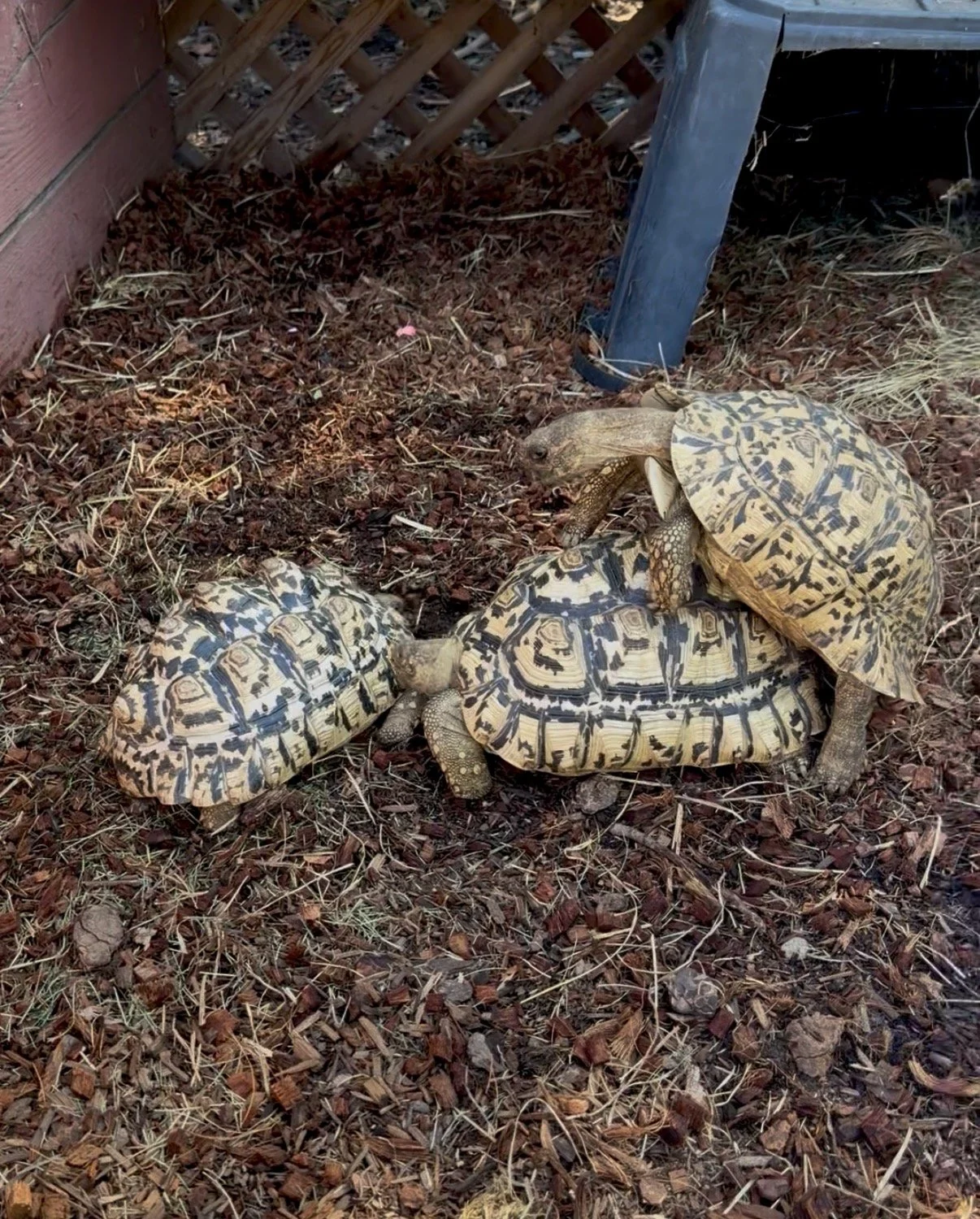
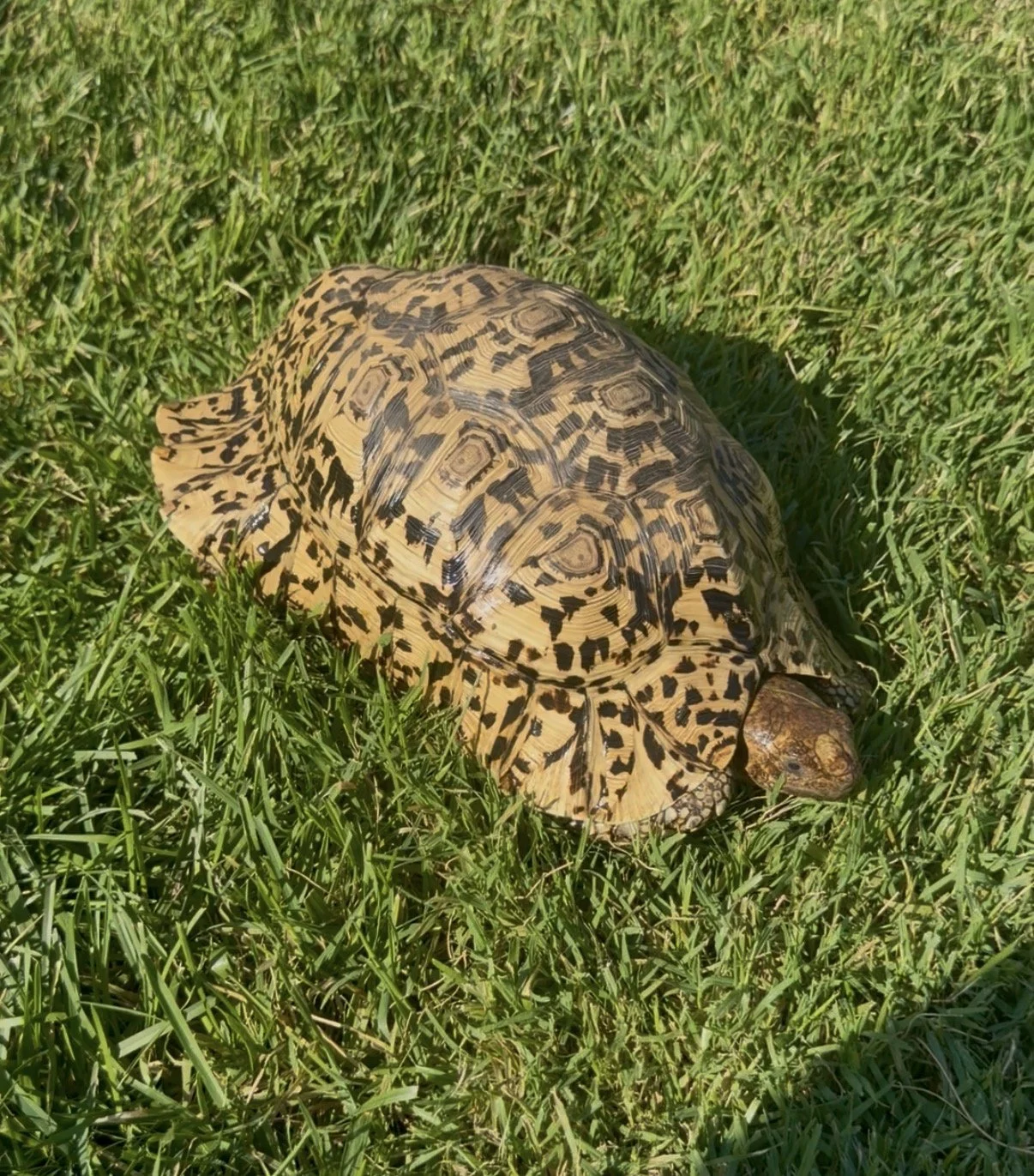
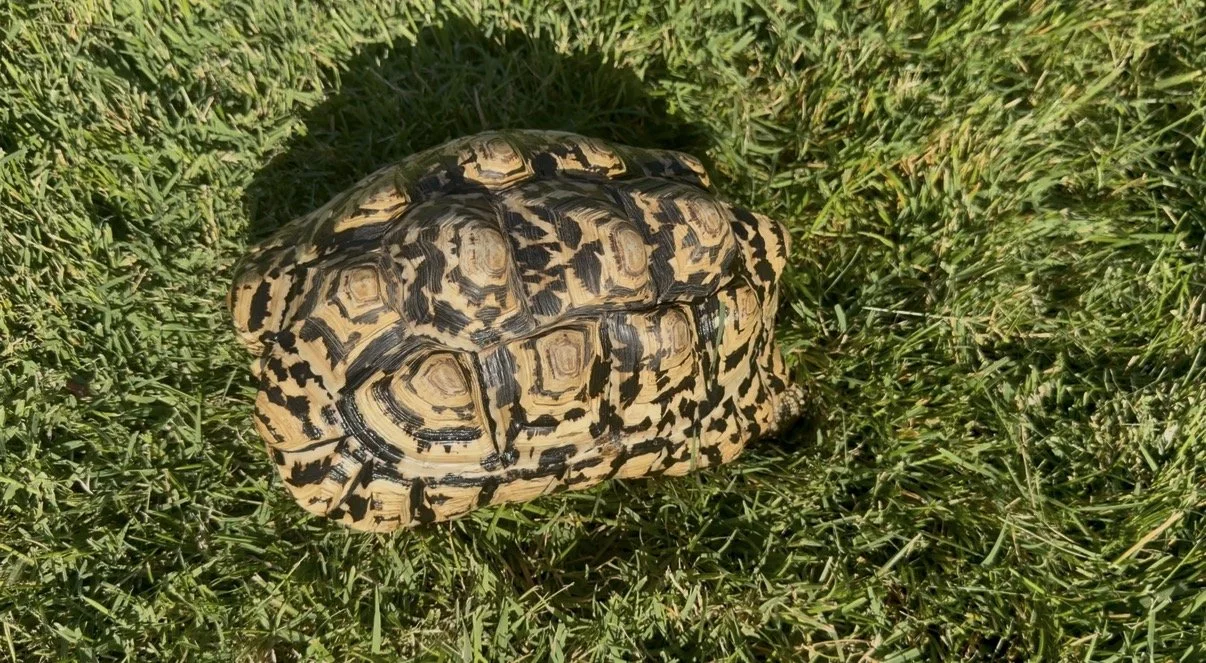
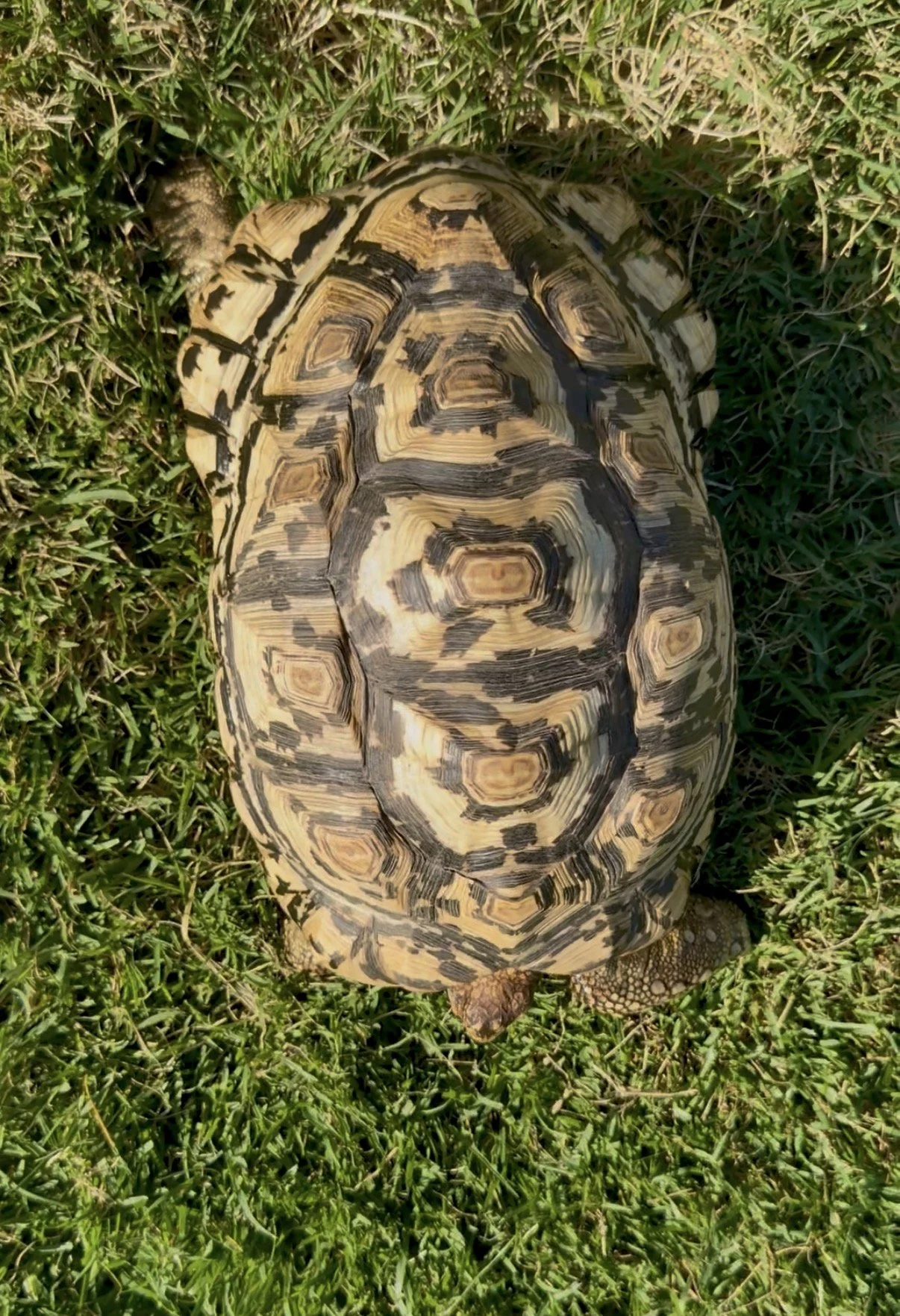
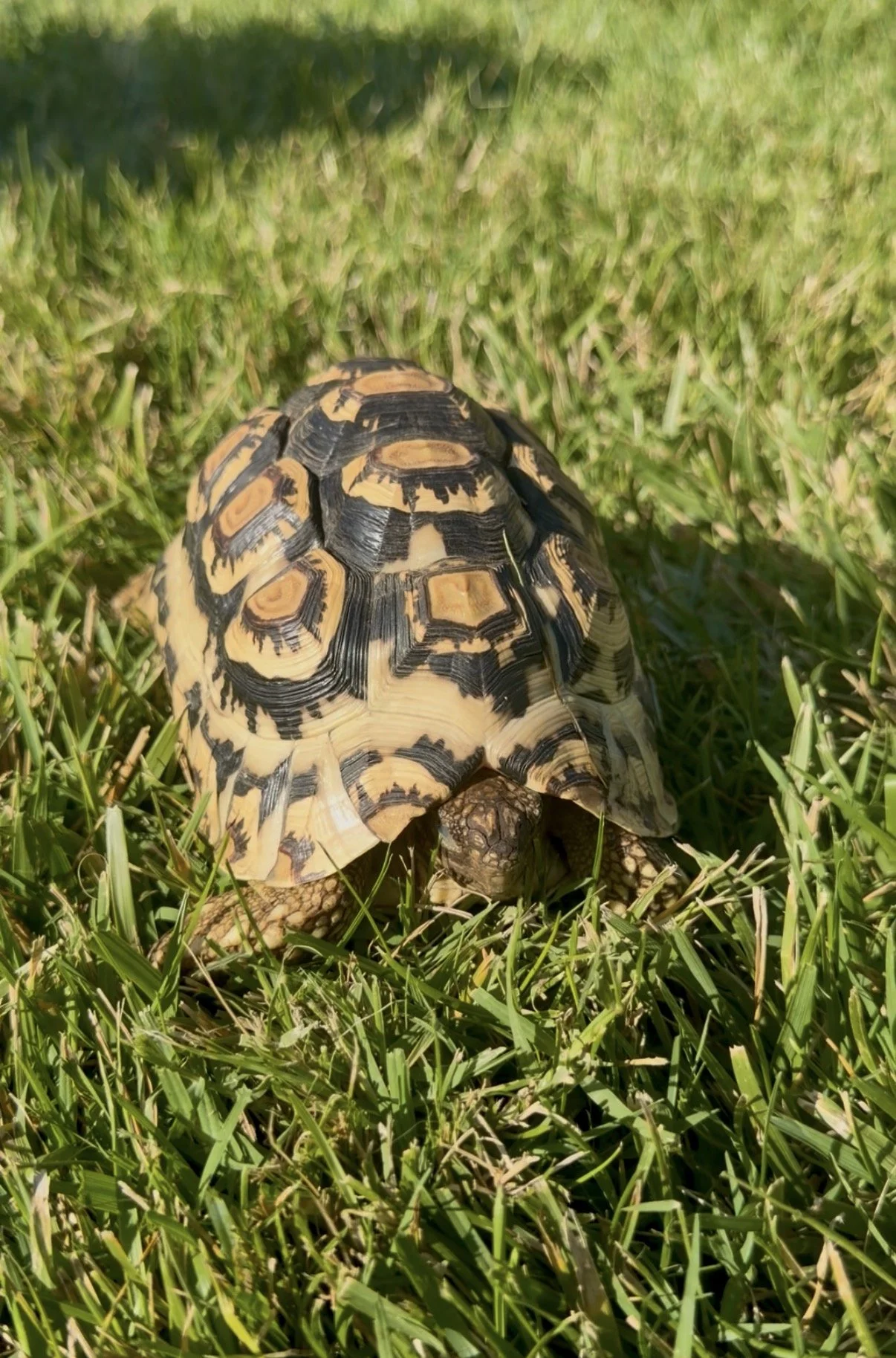
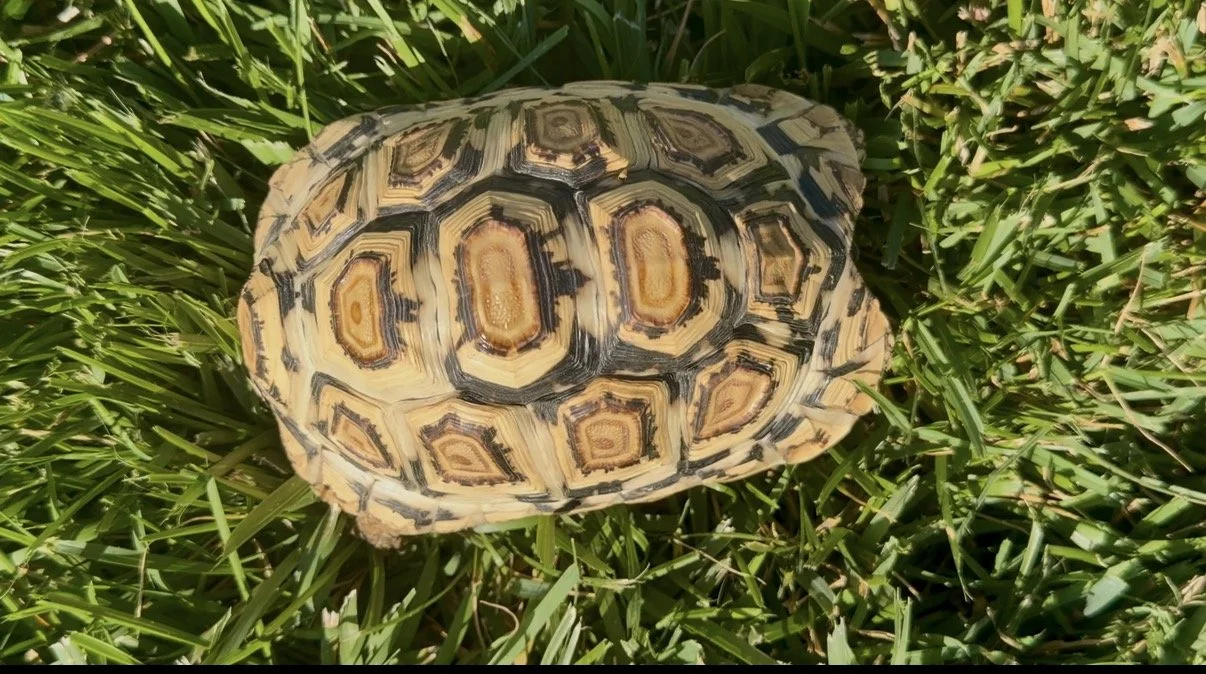
Leopard Tortoises
Stigmochelys pardalisMeet Skittles, Heidi, Miss Oogway, Kiwi, and Lychee.
Sulcata Tortoises
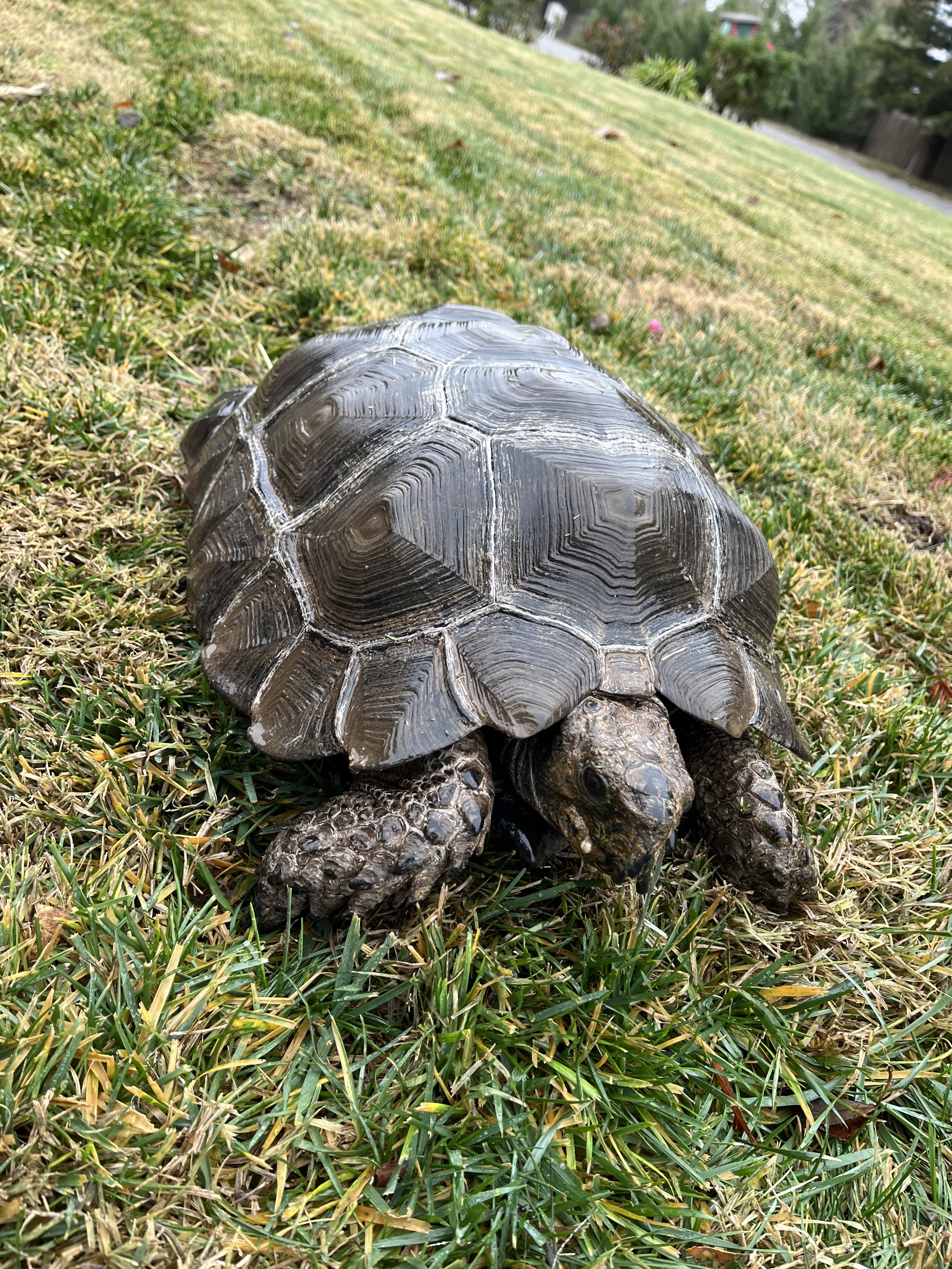
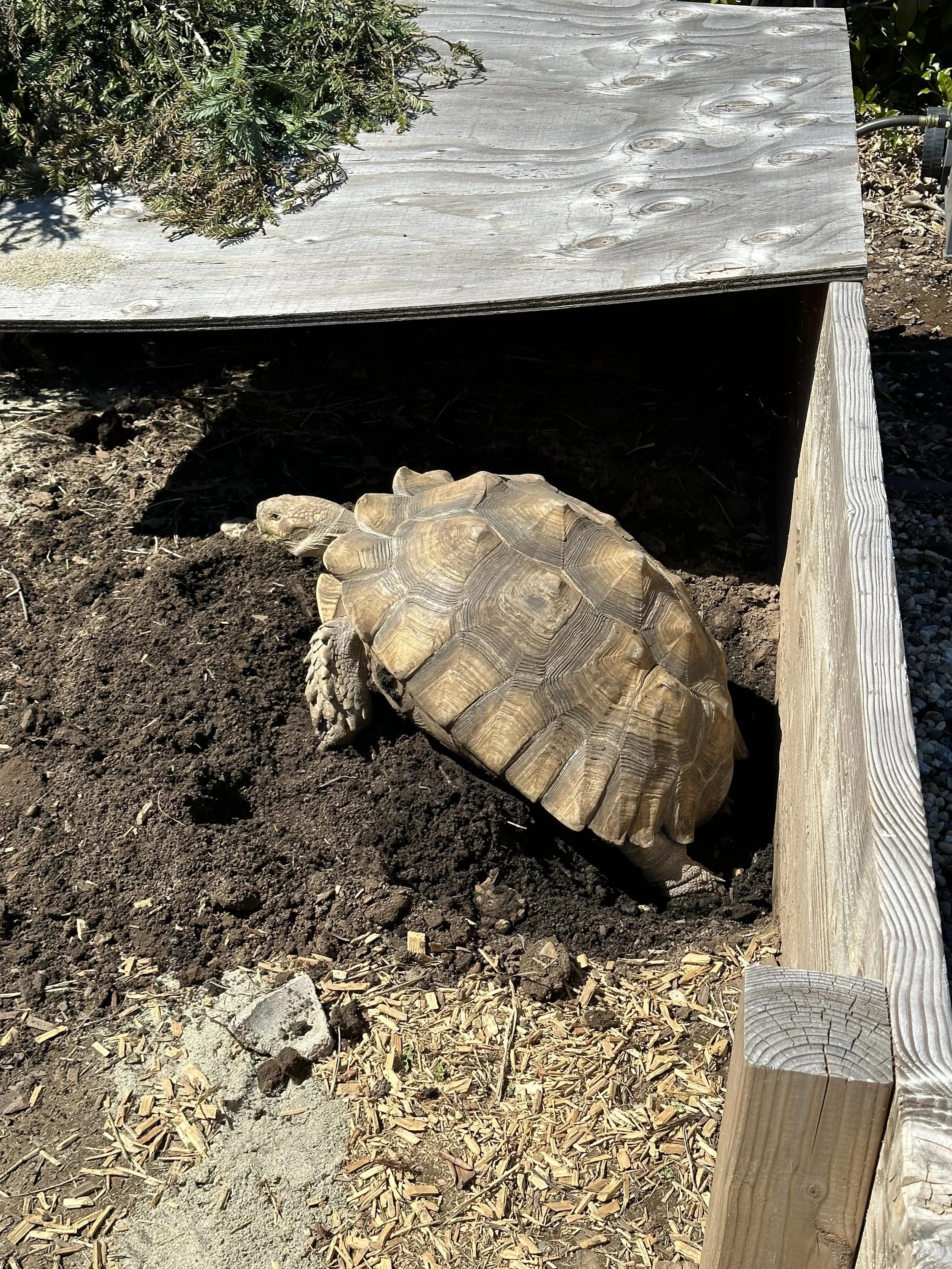
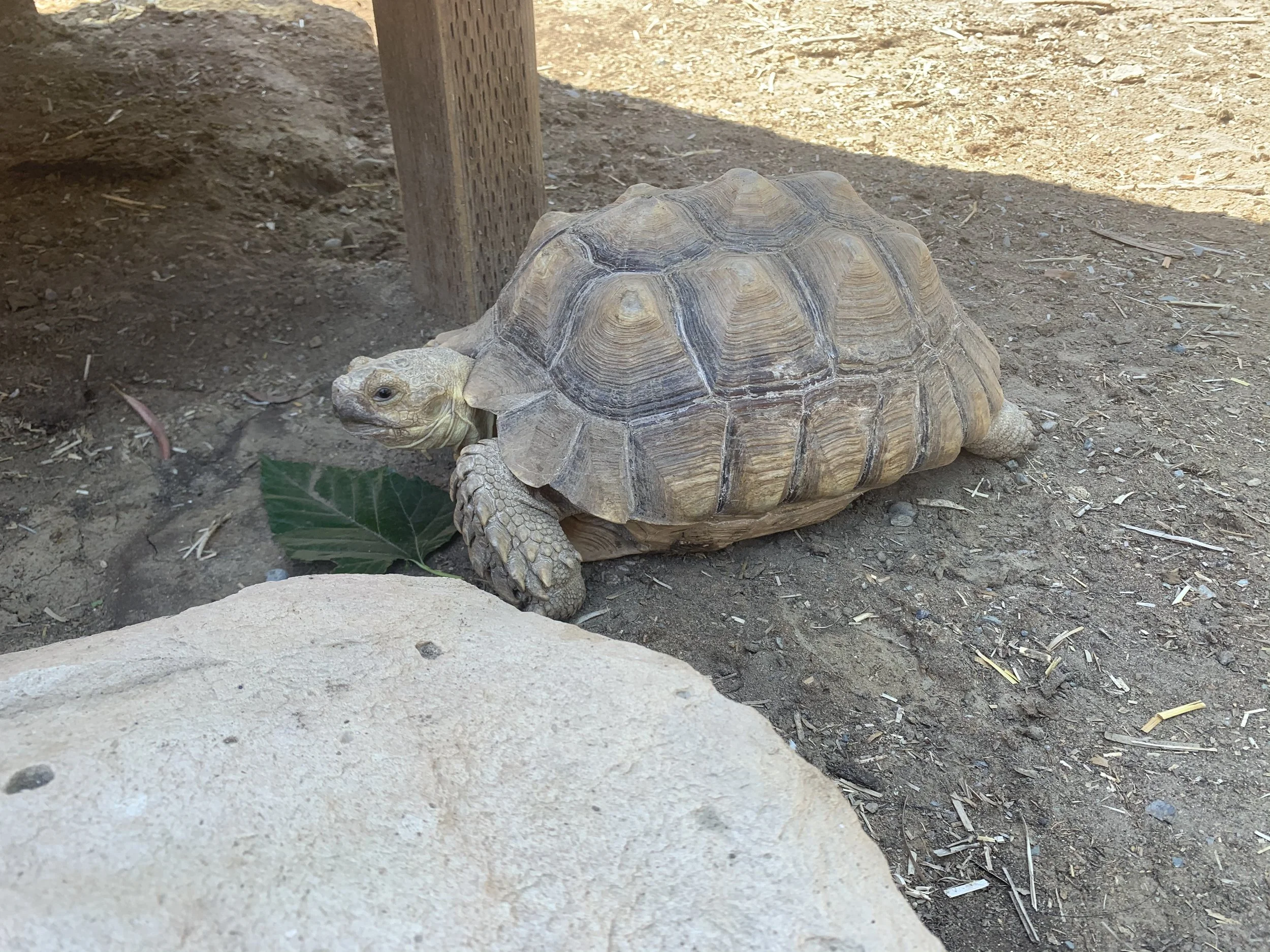
Centrochelys sulcataMeet Spartacus, Molly, Sura, Mira, Torta, and Frieda.
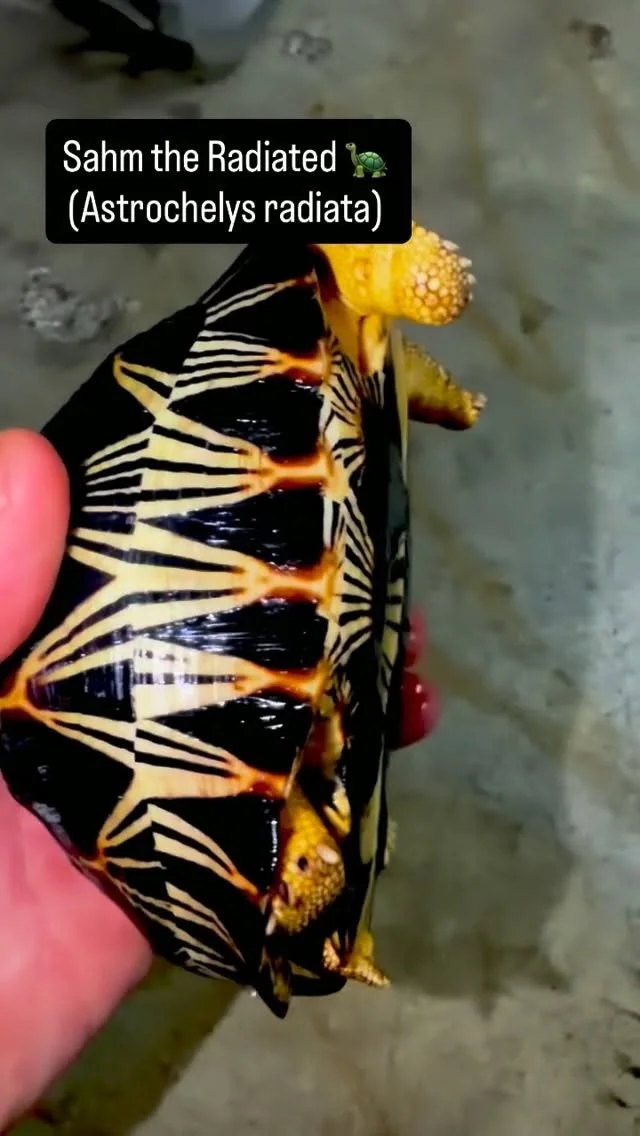
Radiated Tortoises
Astrochelys radiataMeet Sahm and Lily.
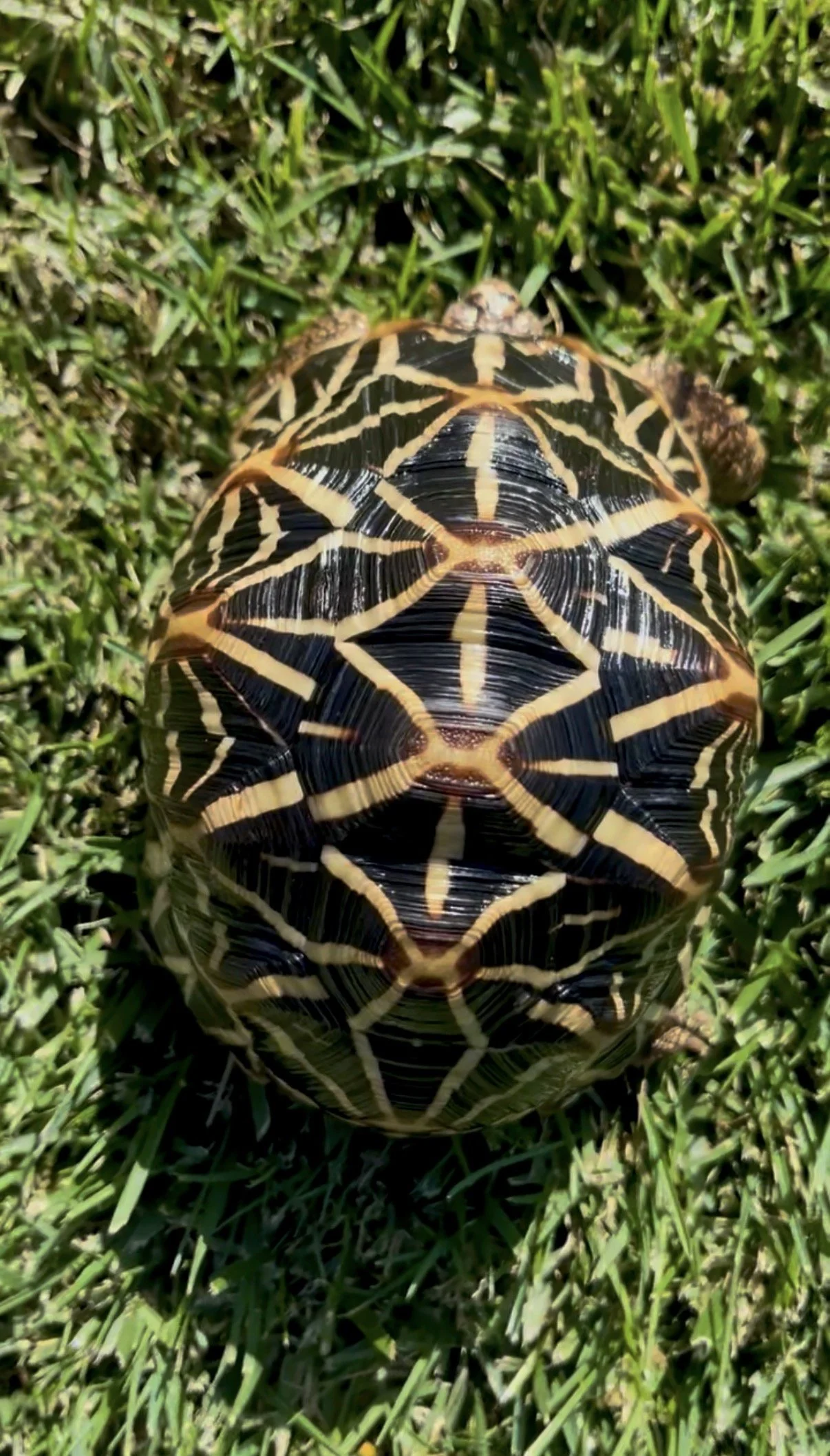
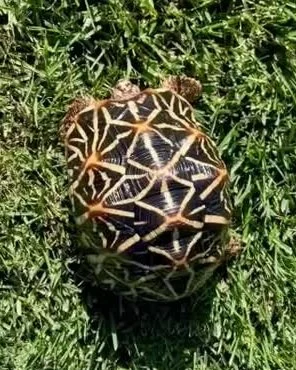
Sri Lankan Star Tortoises
Geochelone elegansMeet Twila.
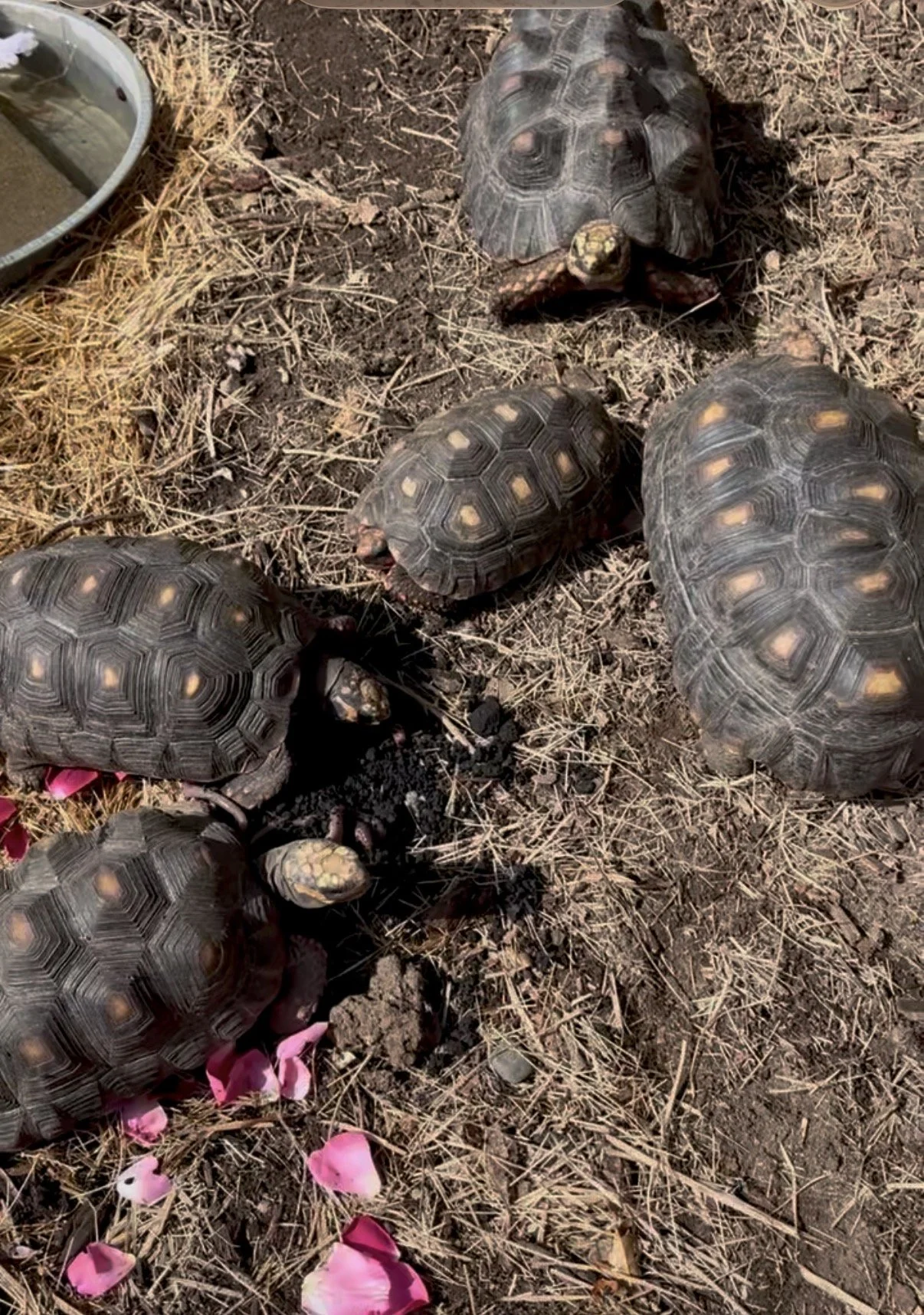
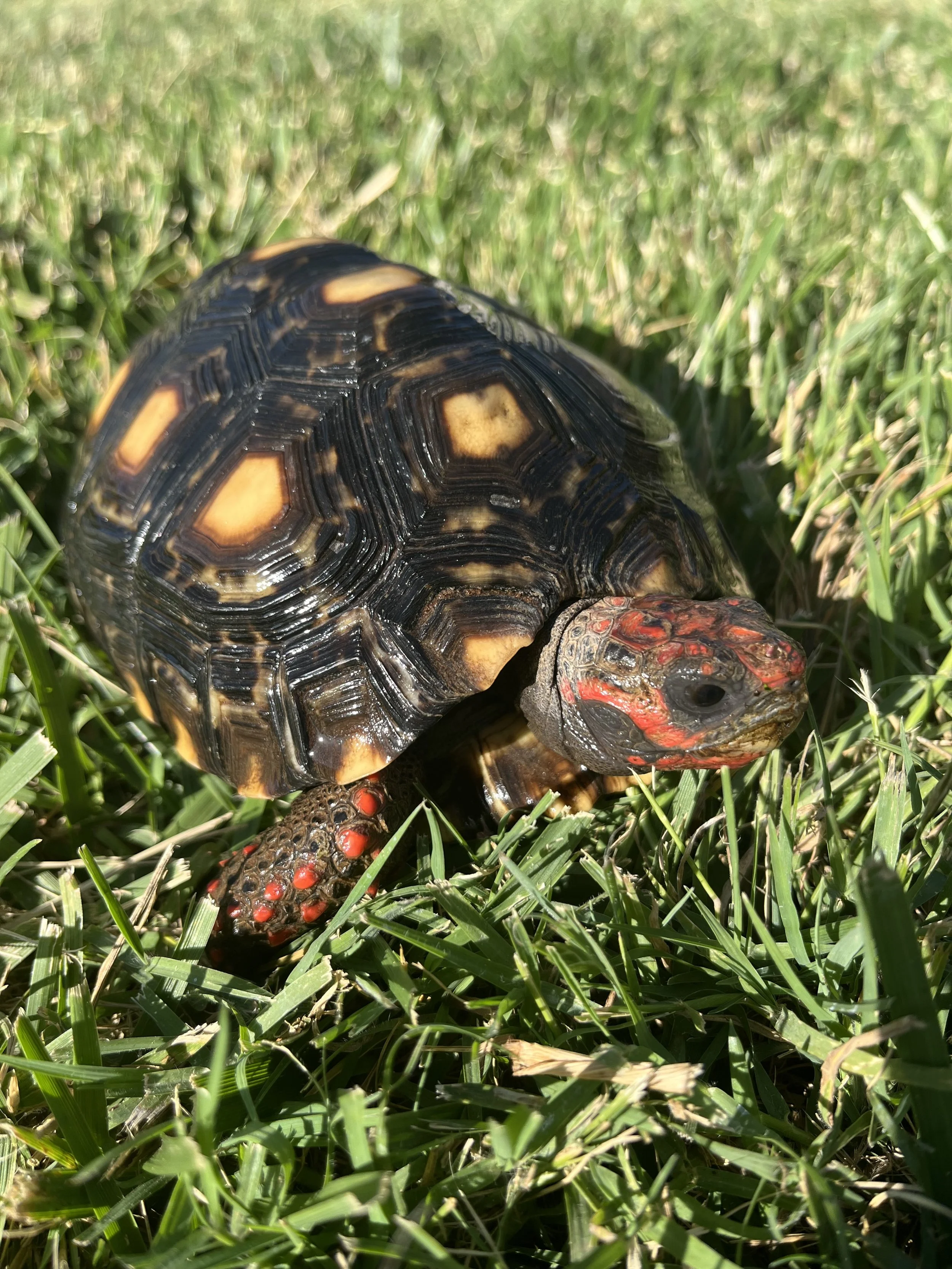
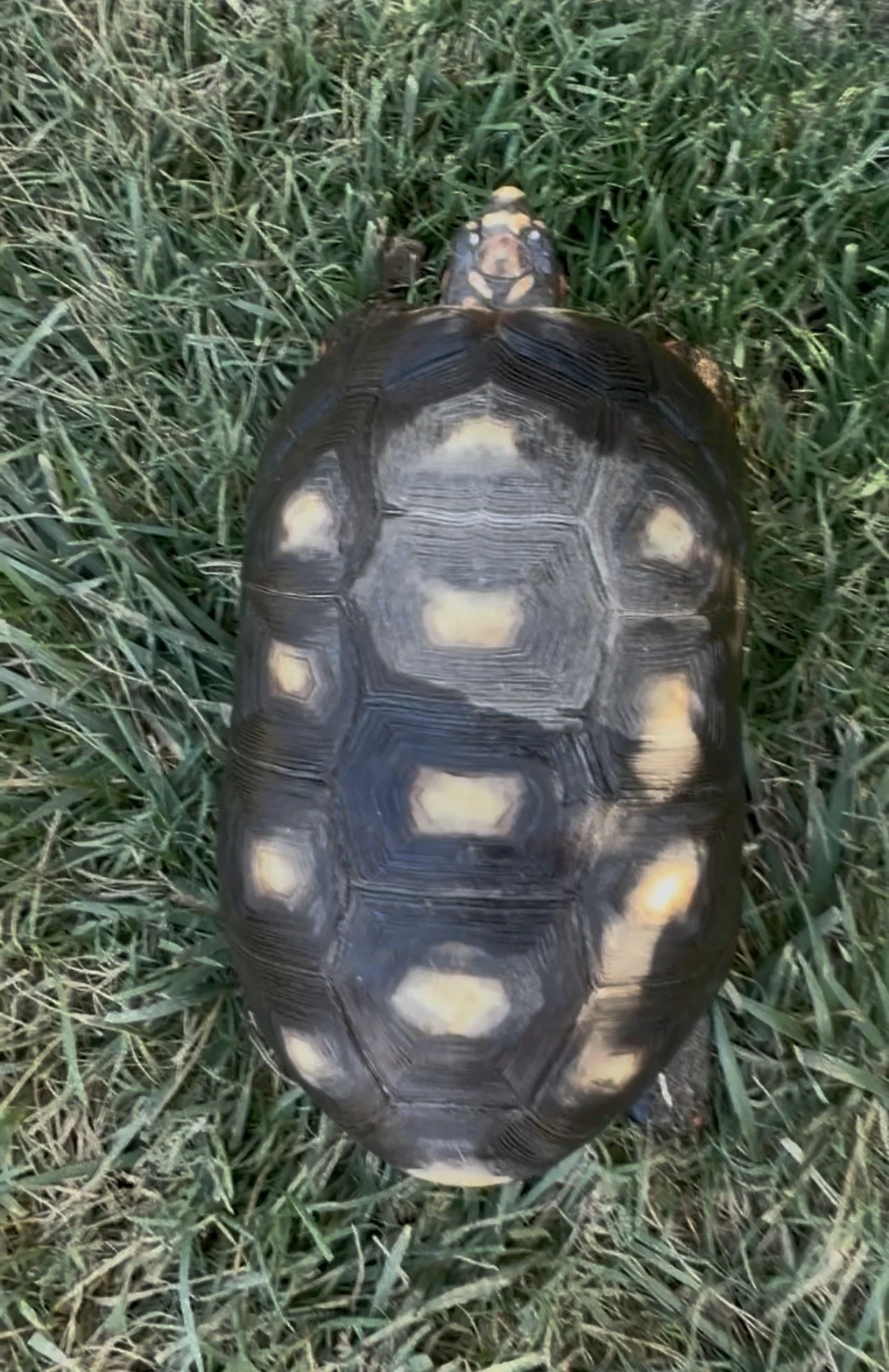
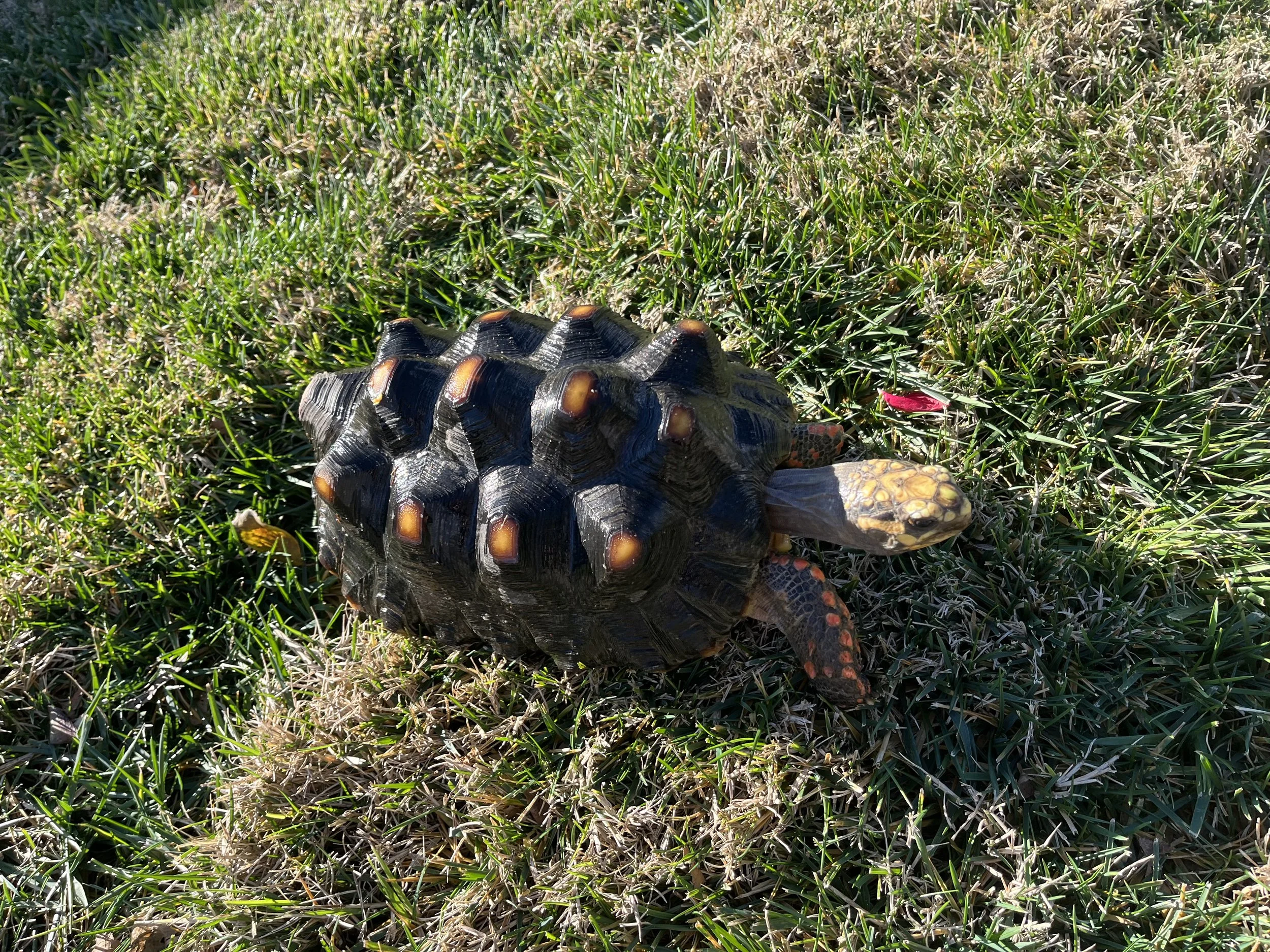
Red Foot Tortoises
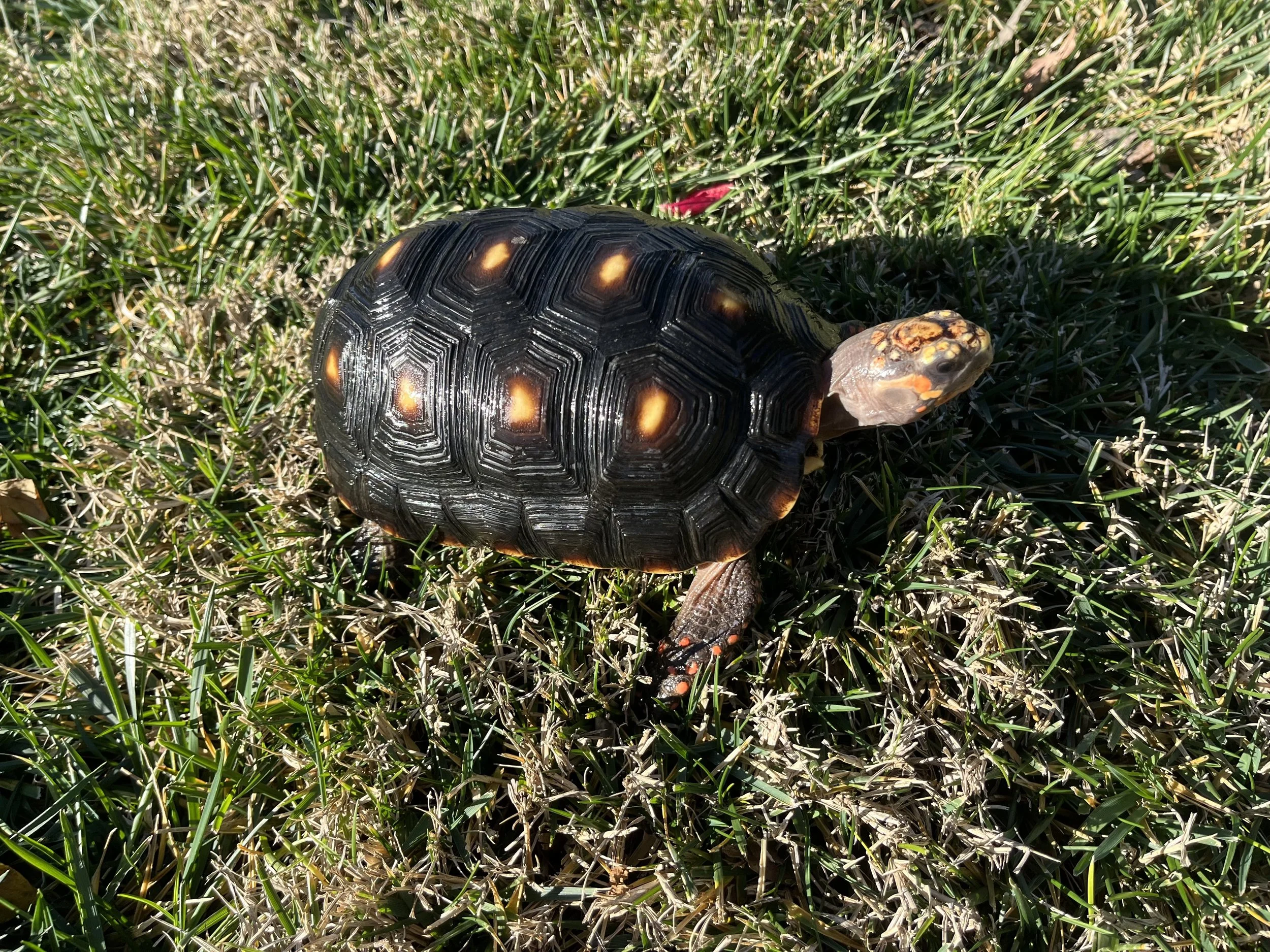
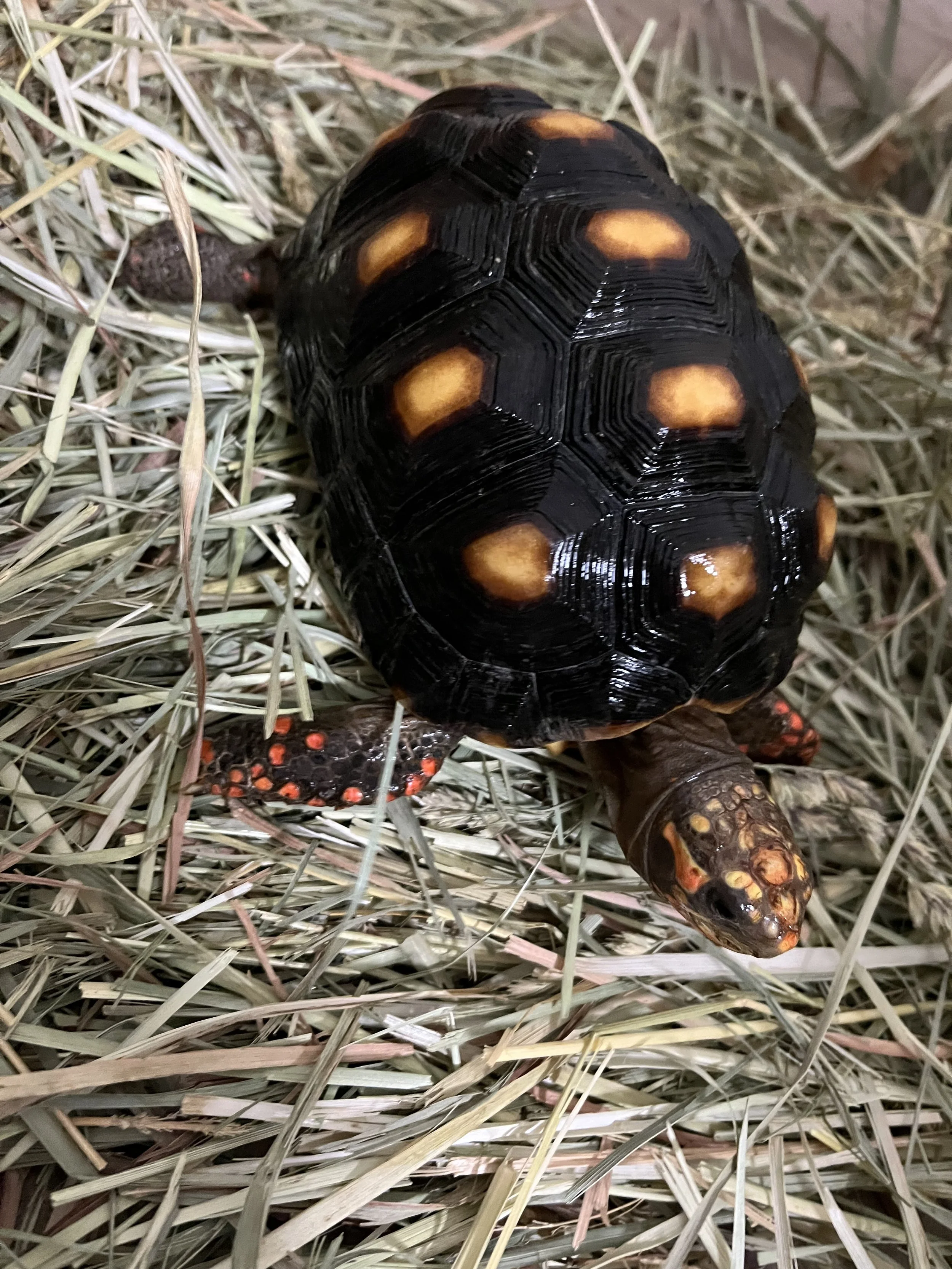
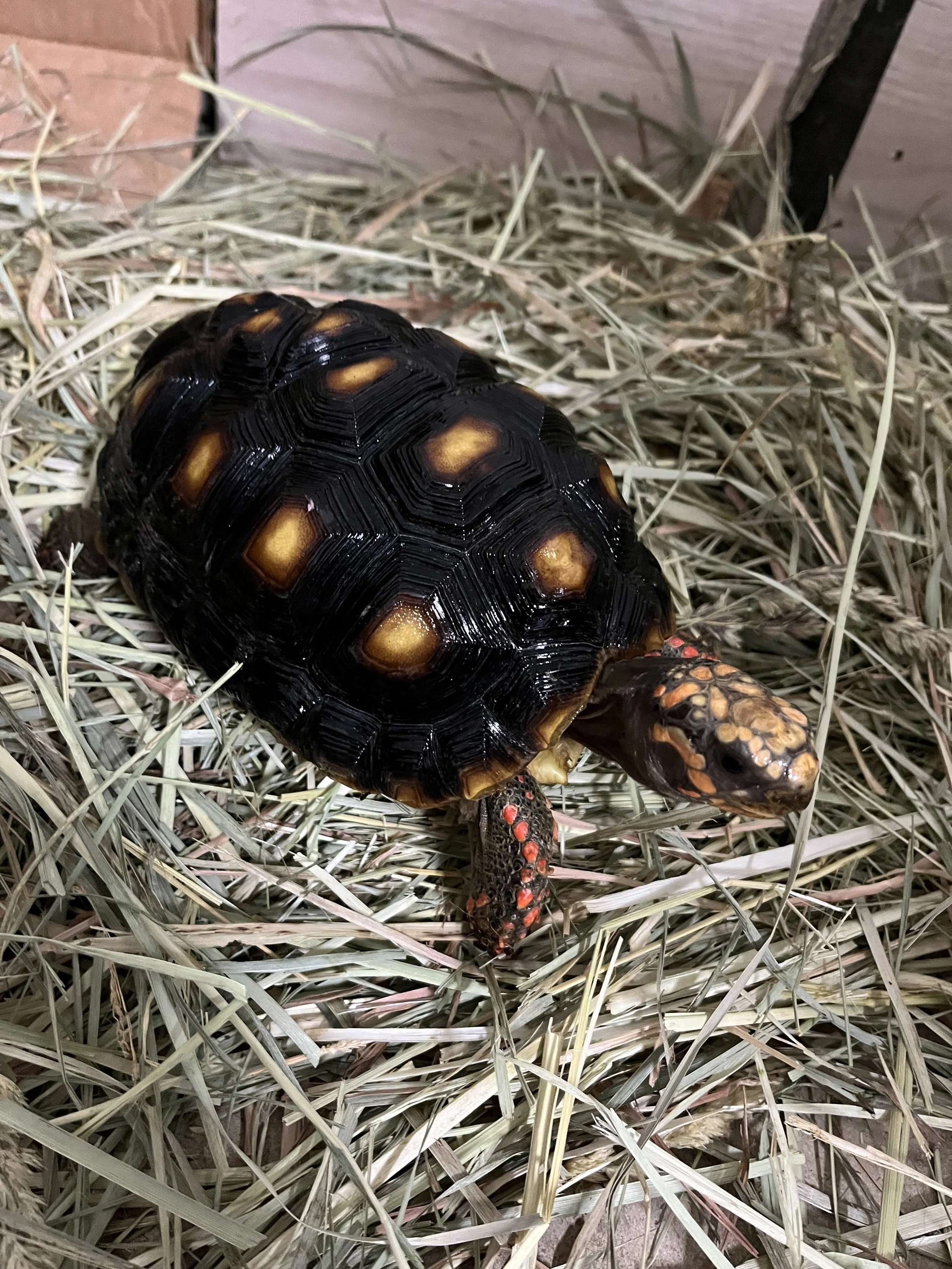
Chelonoidis carbonariaMeet Willow, Matson, Bucky, Ora, Steph, and Penny.
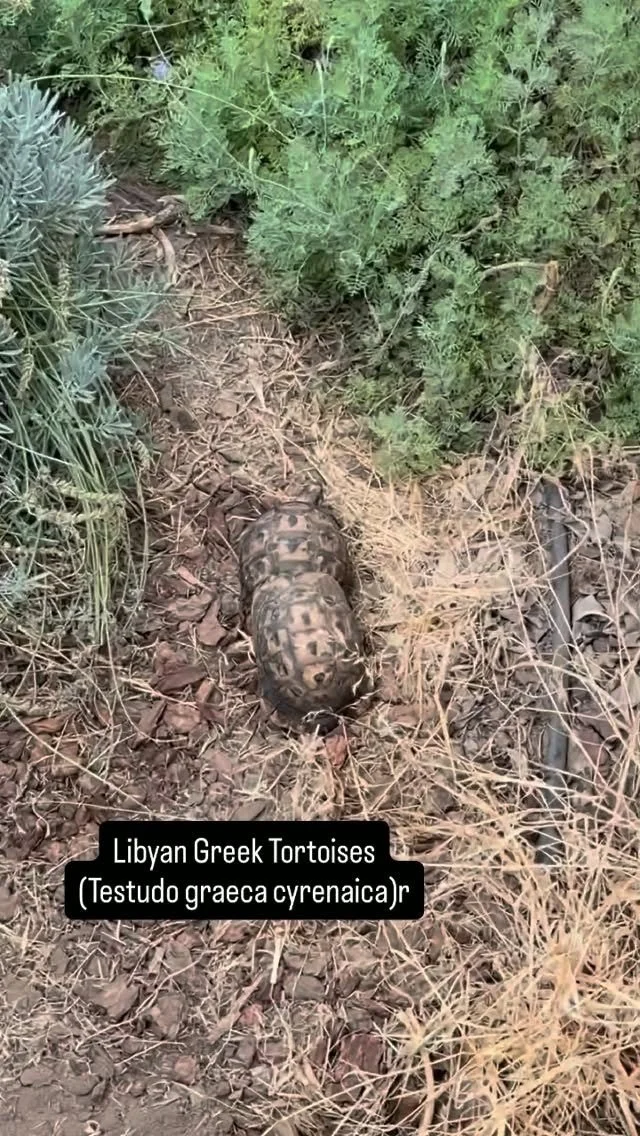
Libyan Greek Tortoises
Testudo graeca cyrenaicaMeet Idris, Fatima, and Jo.
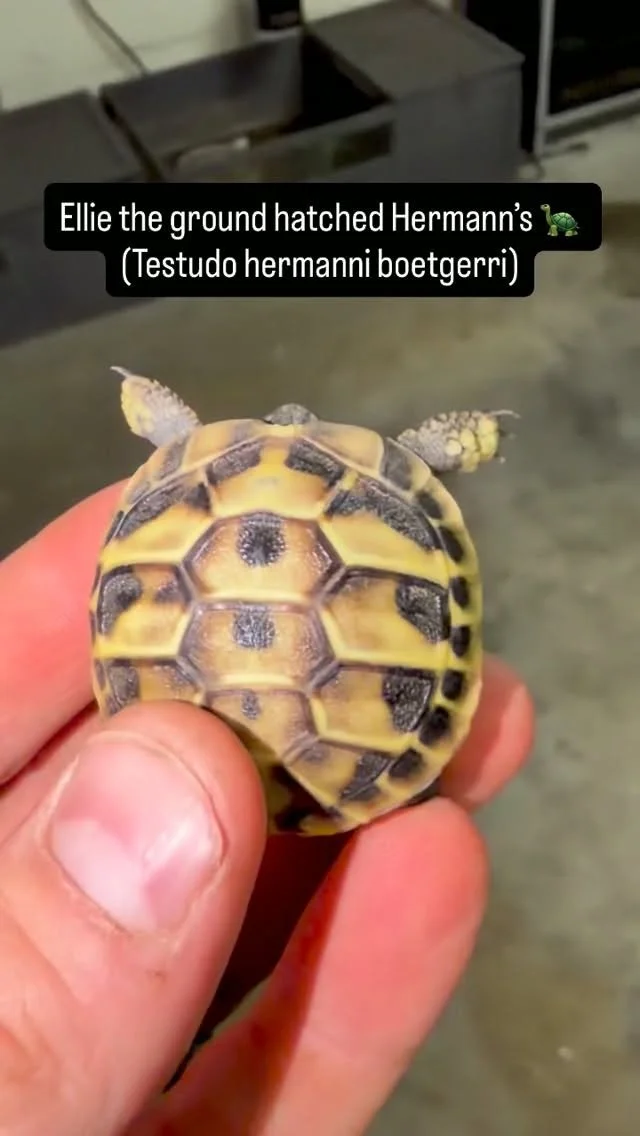
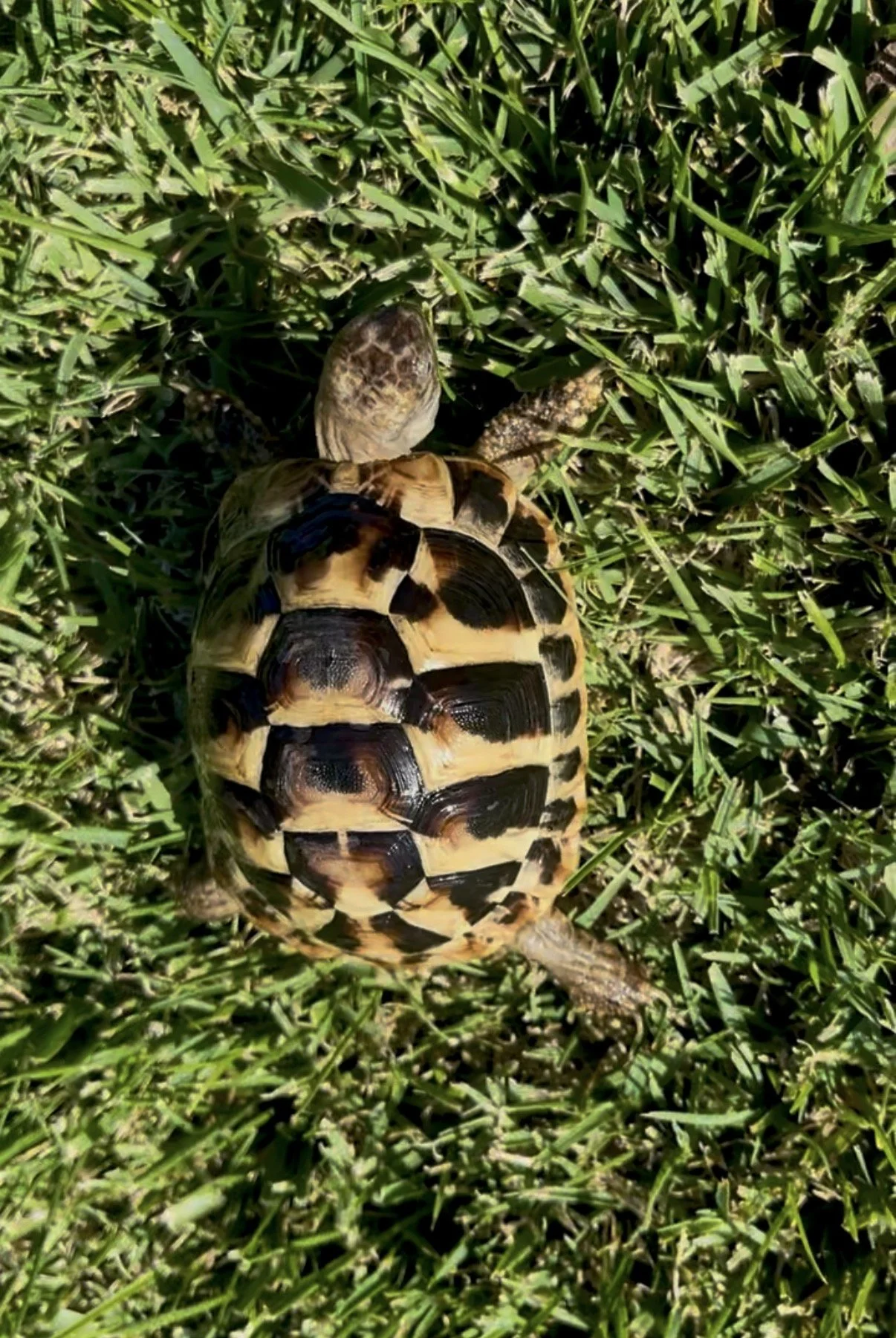
Eastern Hermann’s Tortoises
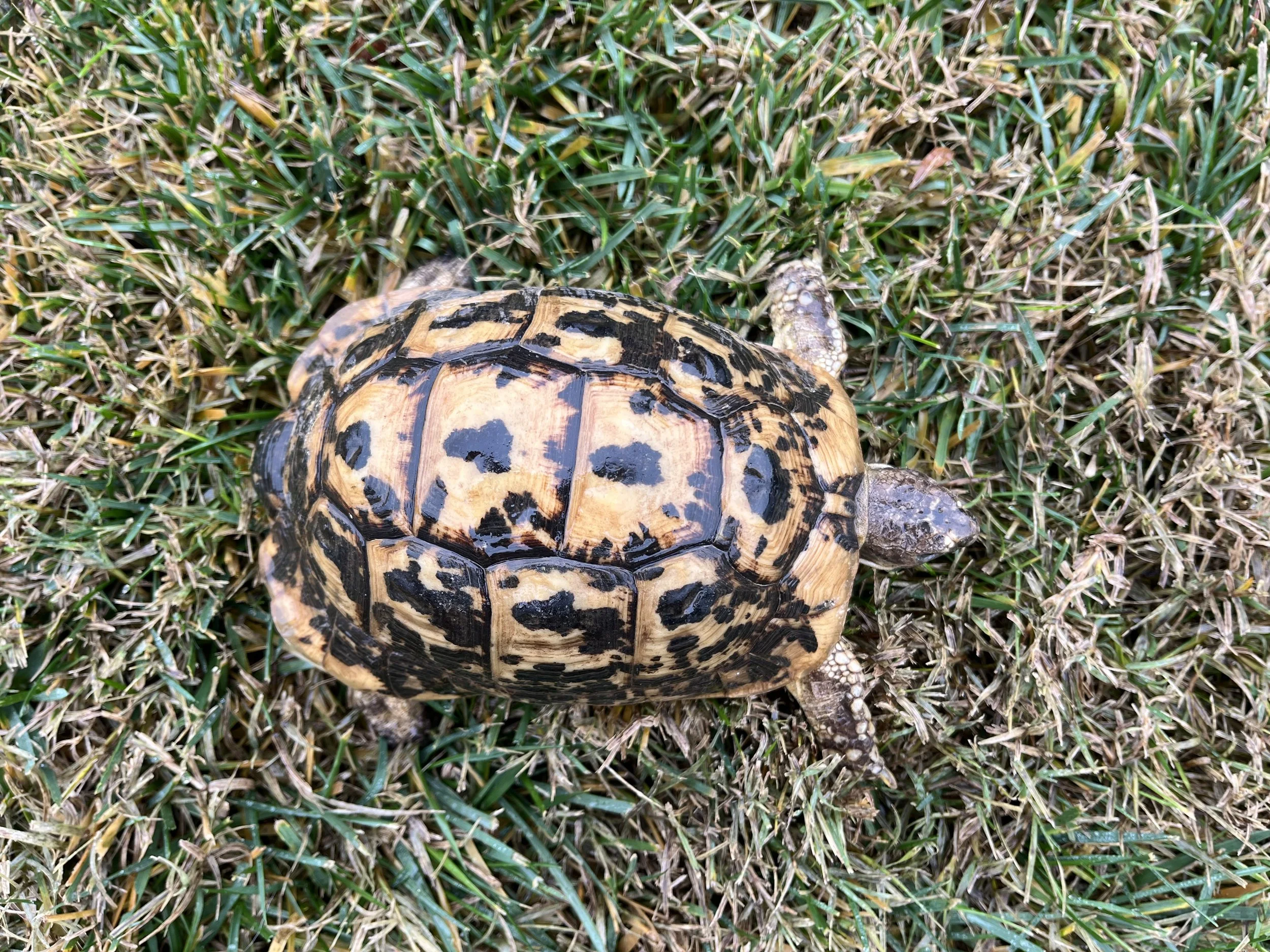
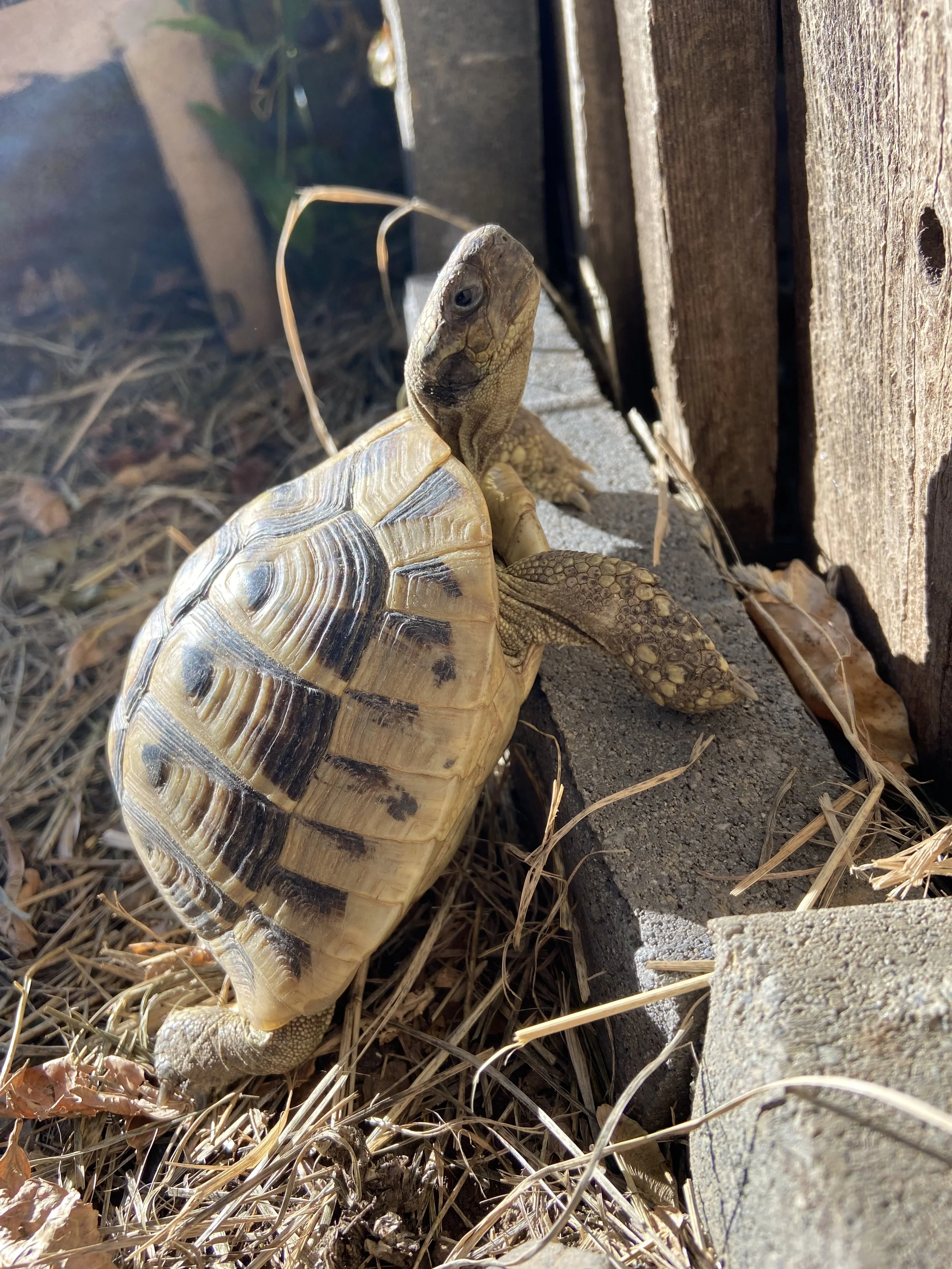
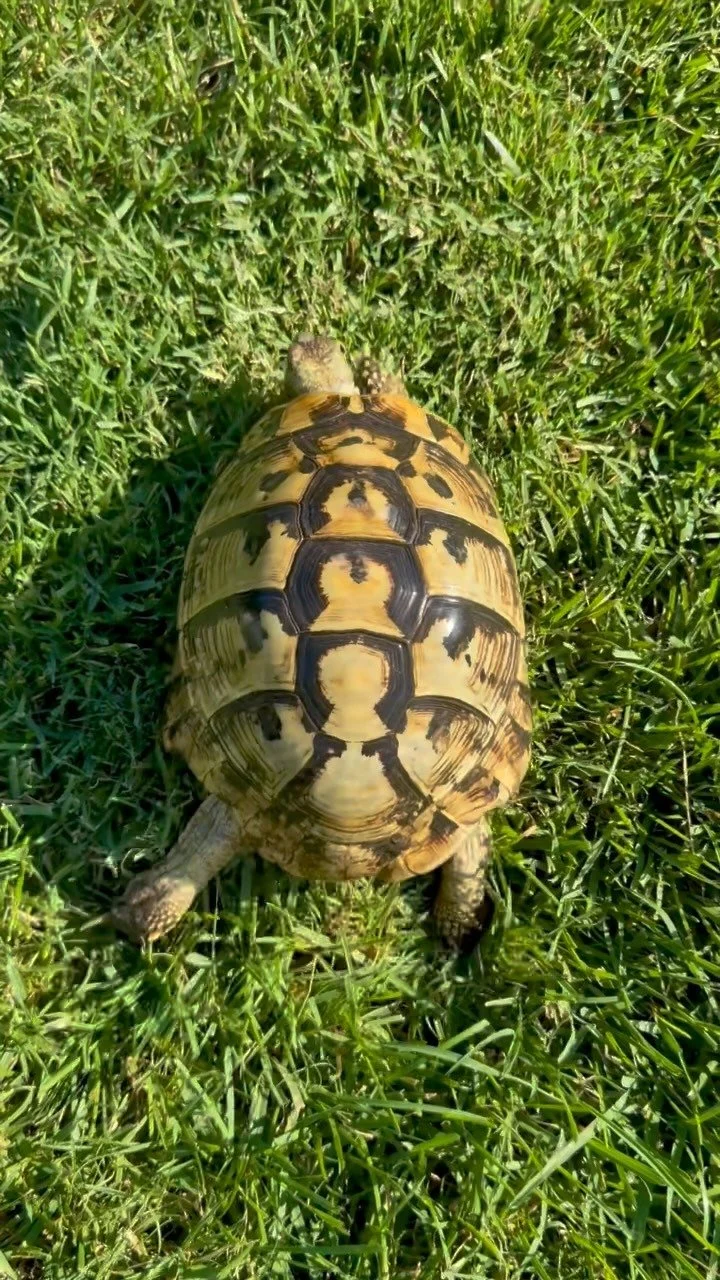
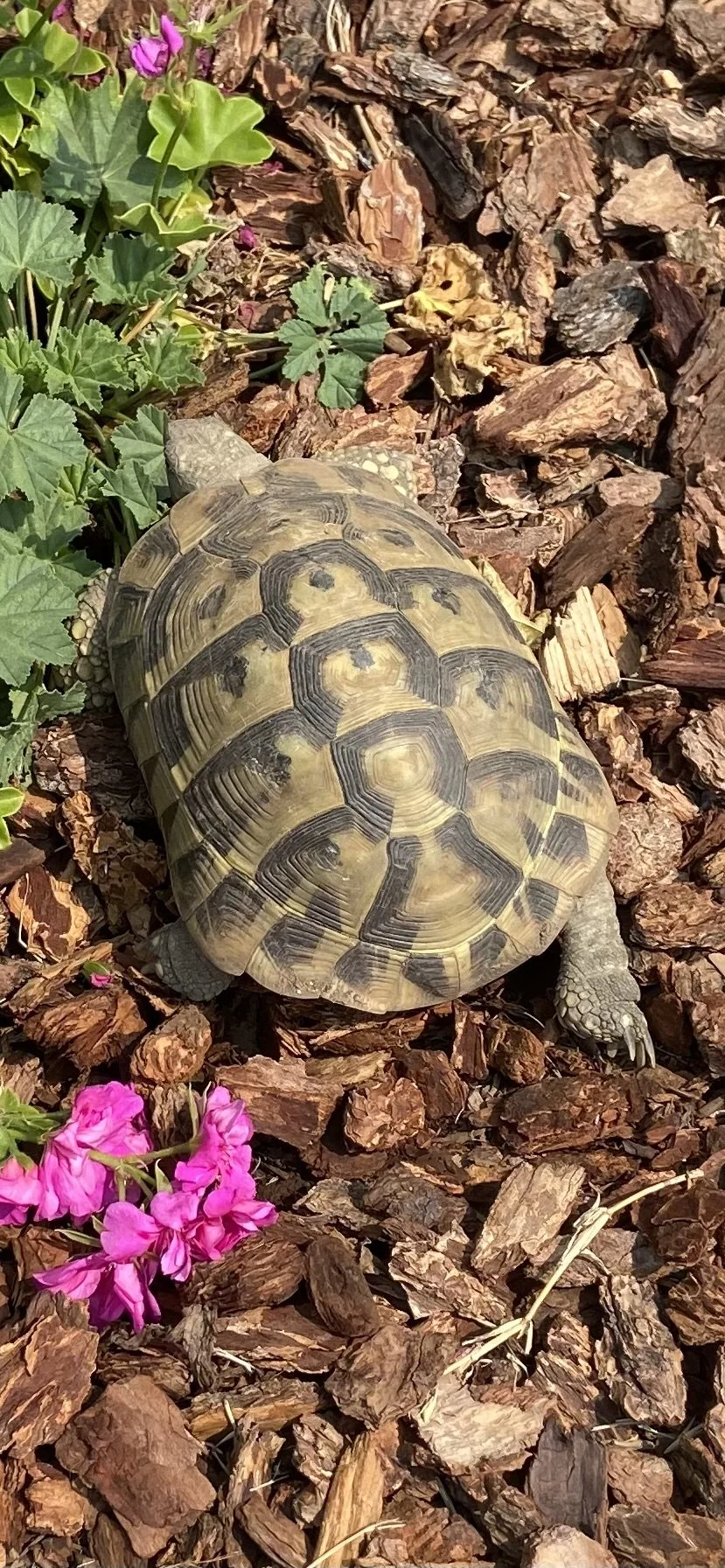
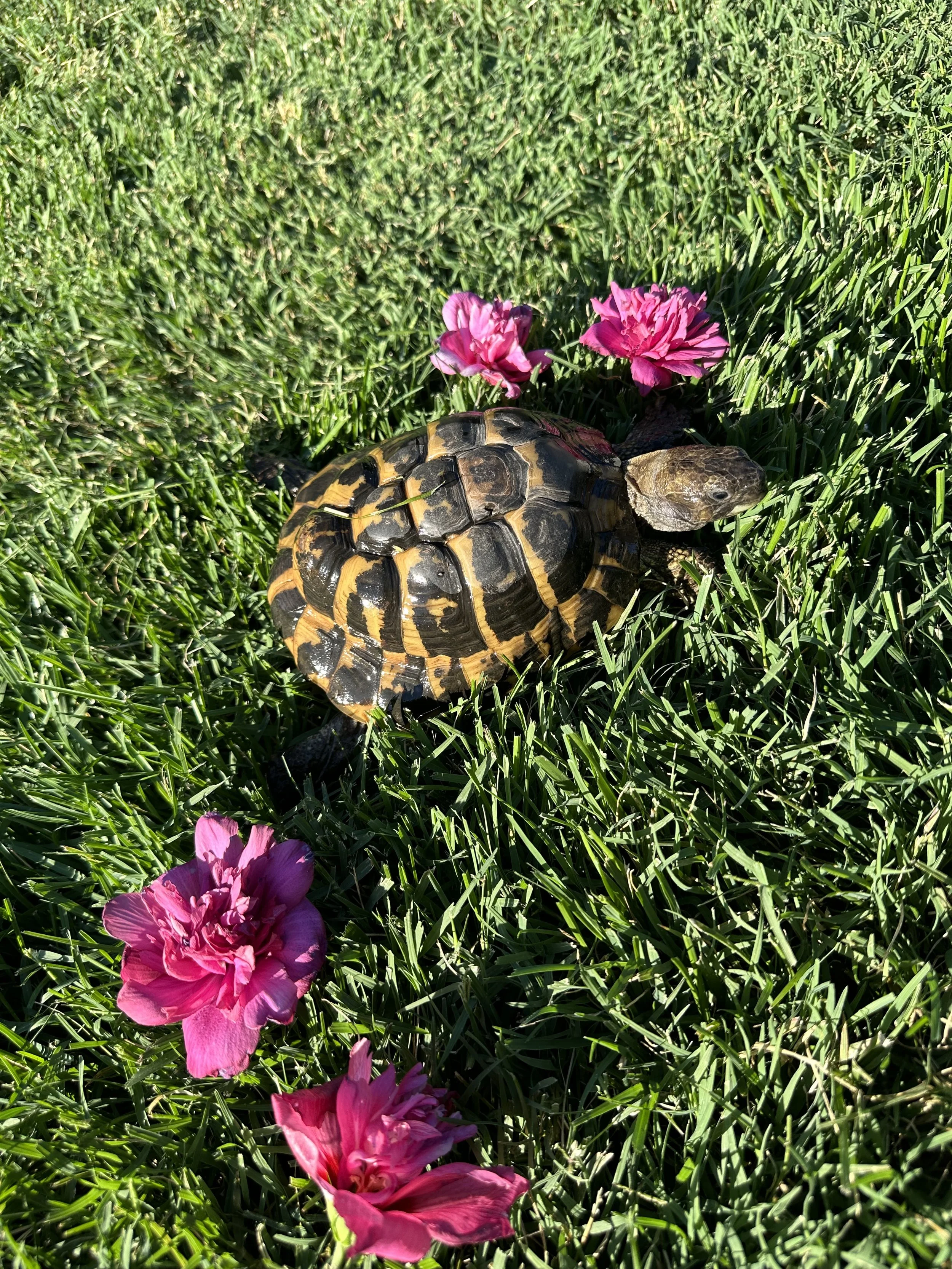
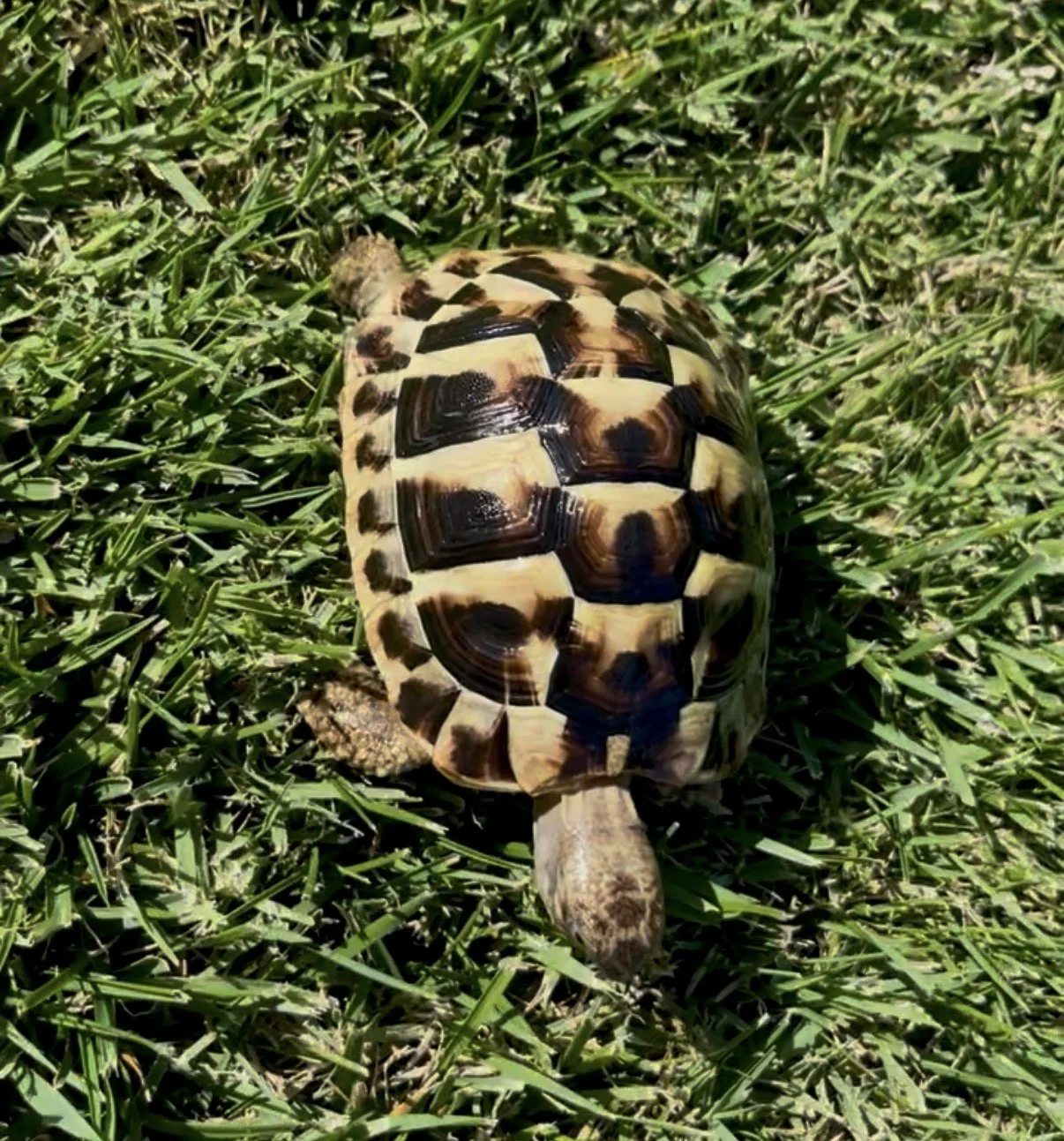
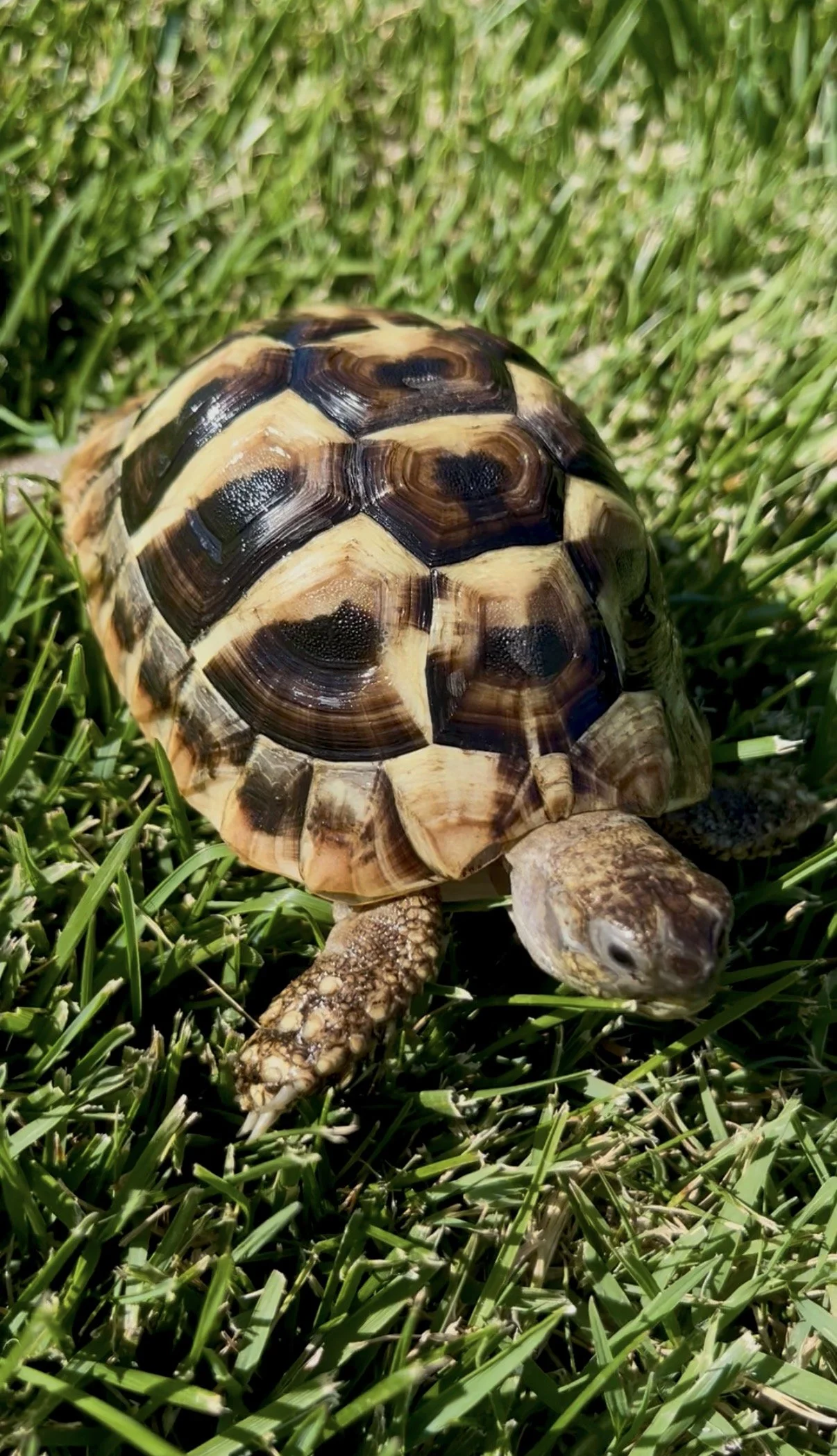
Testudo hermanni boettgeriMeet Giannis, Olive, Leonidis, Atlas, and Ellie. Ellie hatched in an outdoor enclosure.
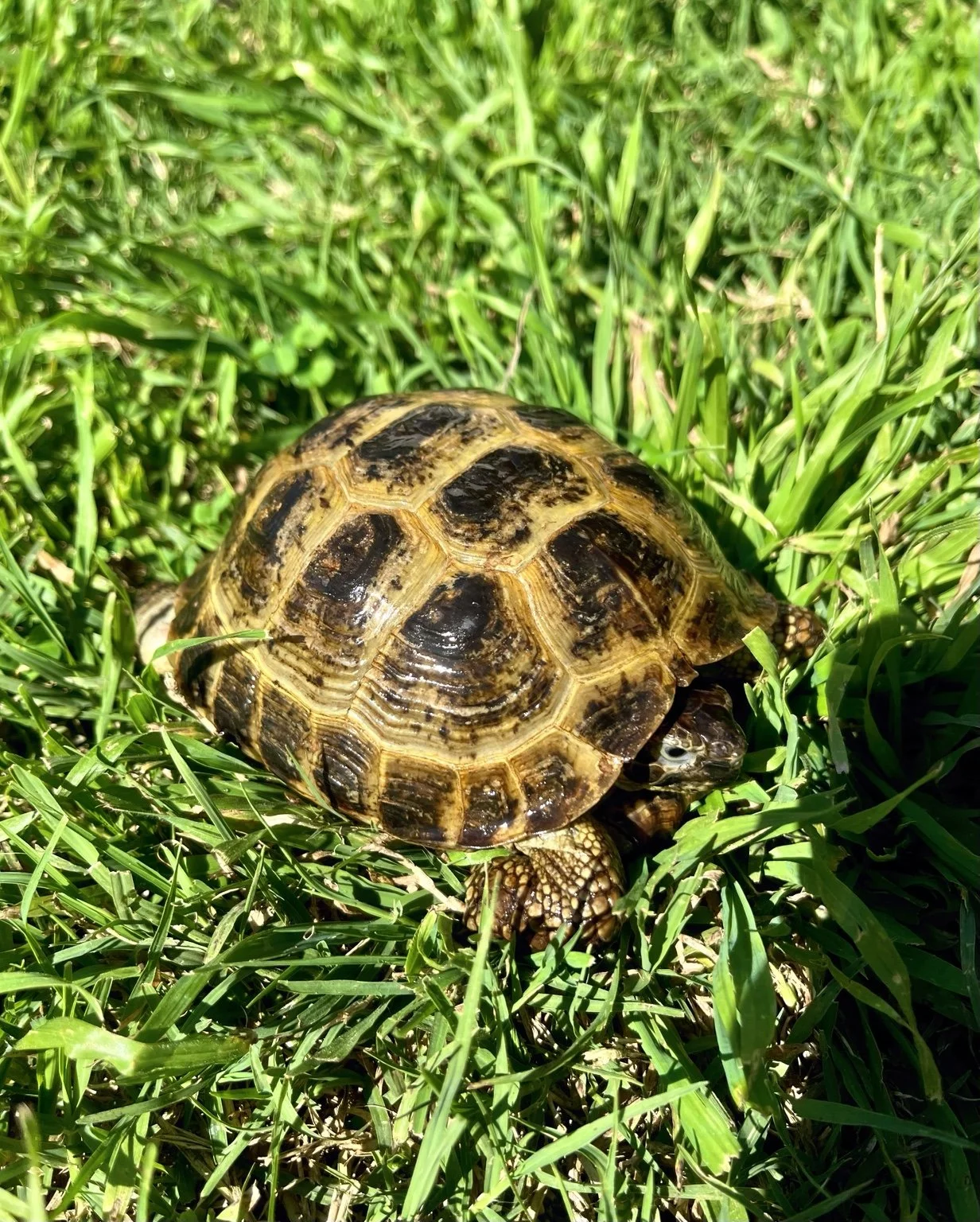
Russian Tortoise
Testudo horsfieldiiMeet Otis, our Russian tortoise.
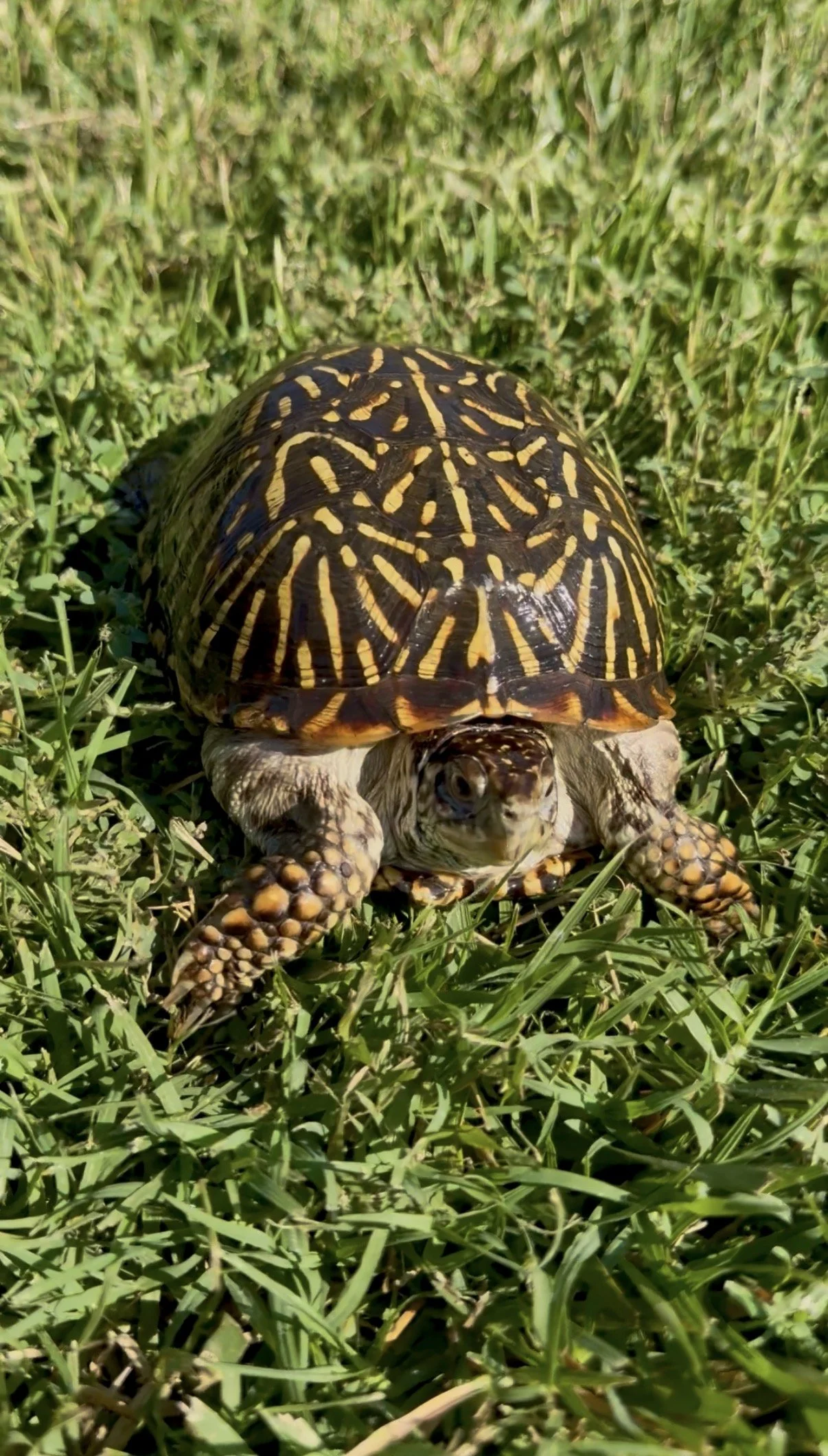
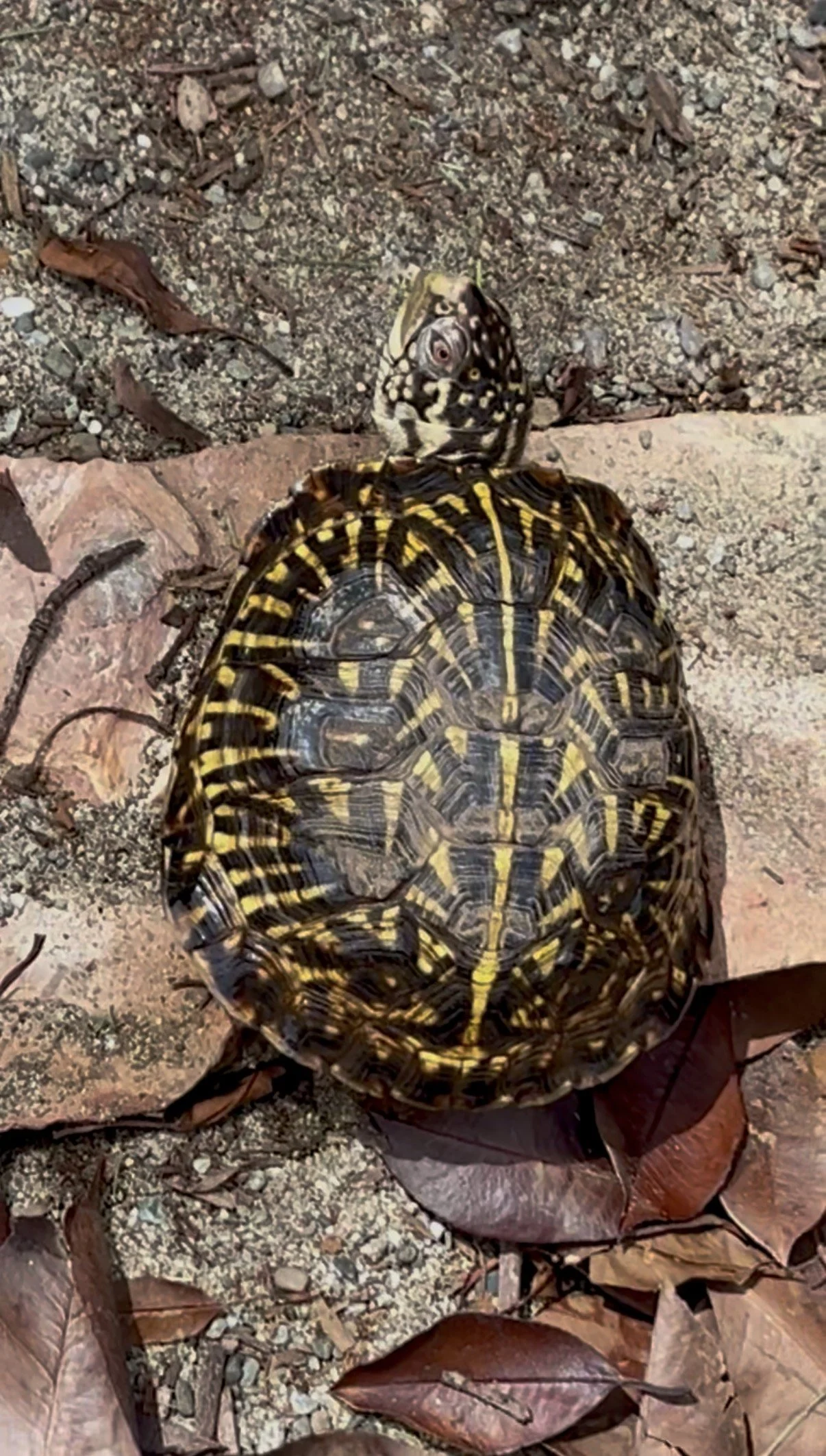
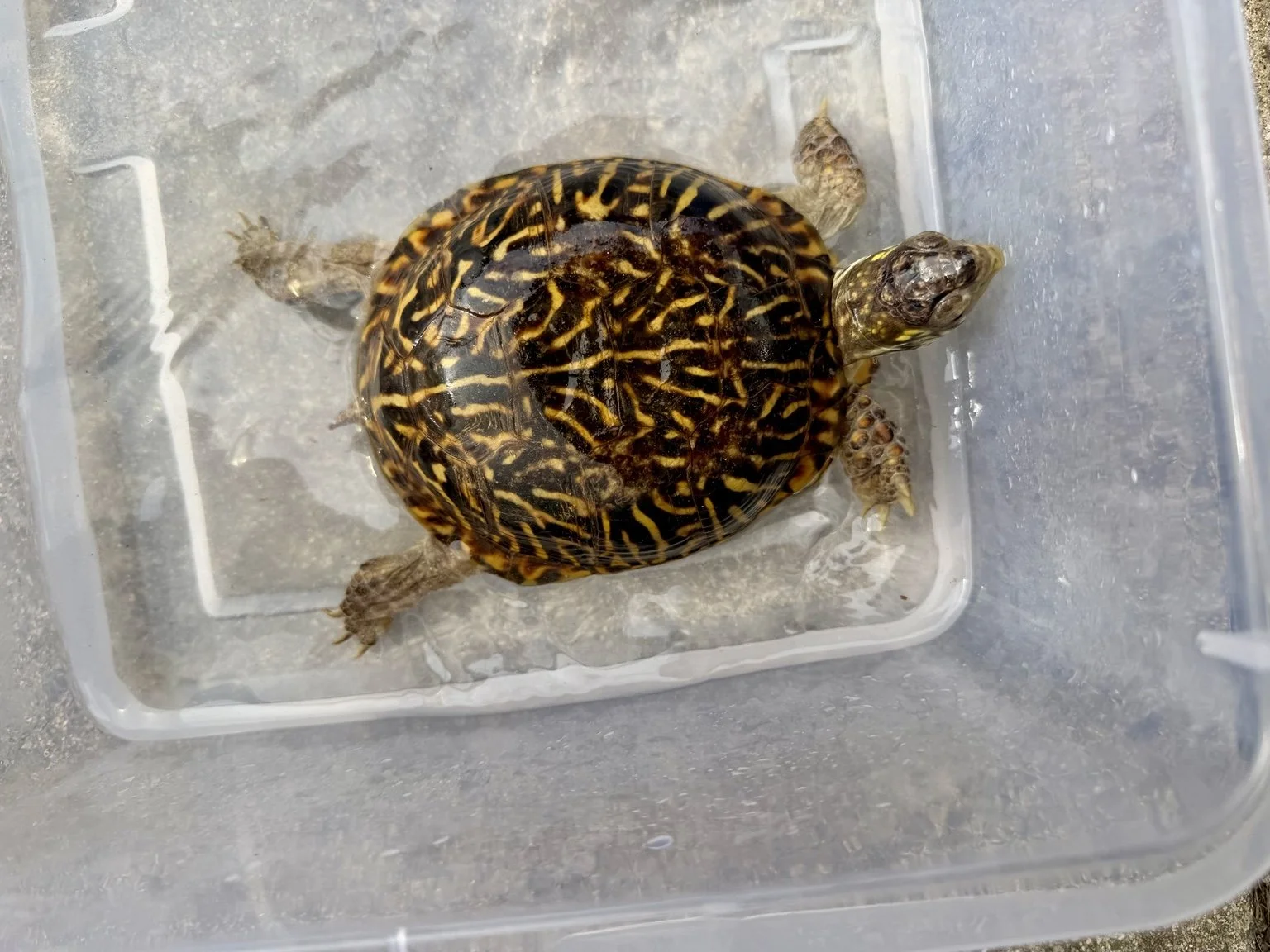
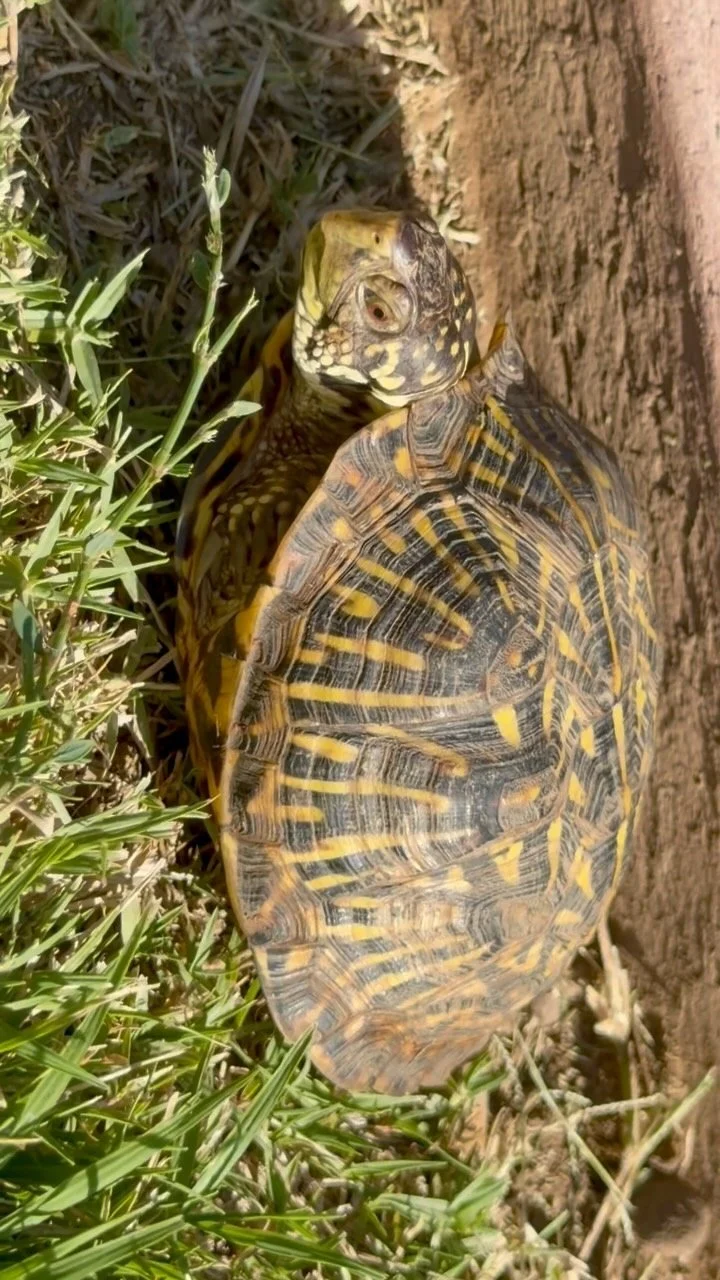
Ornate Box Turtles
Terrapene ornataMeet Pepper, Salty, and Paprika.
Available Tortoises
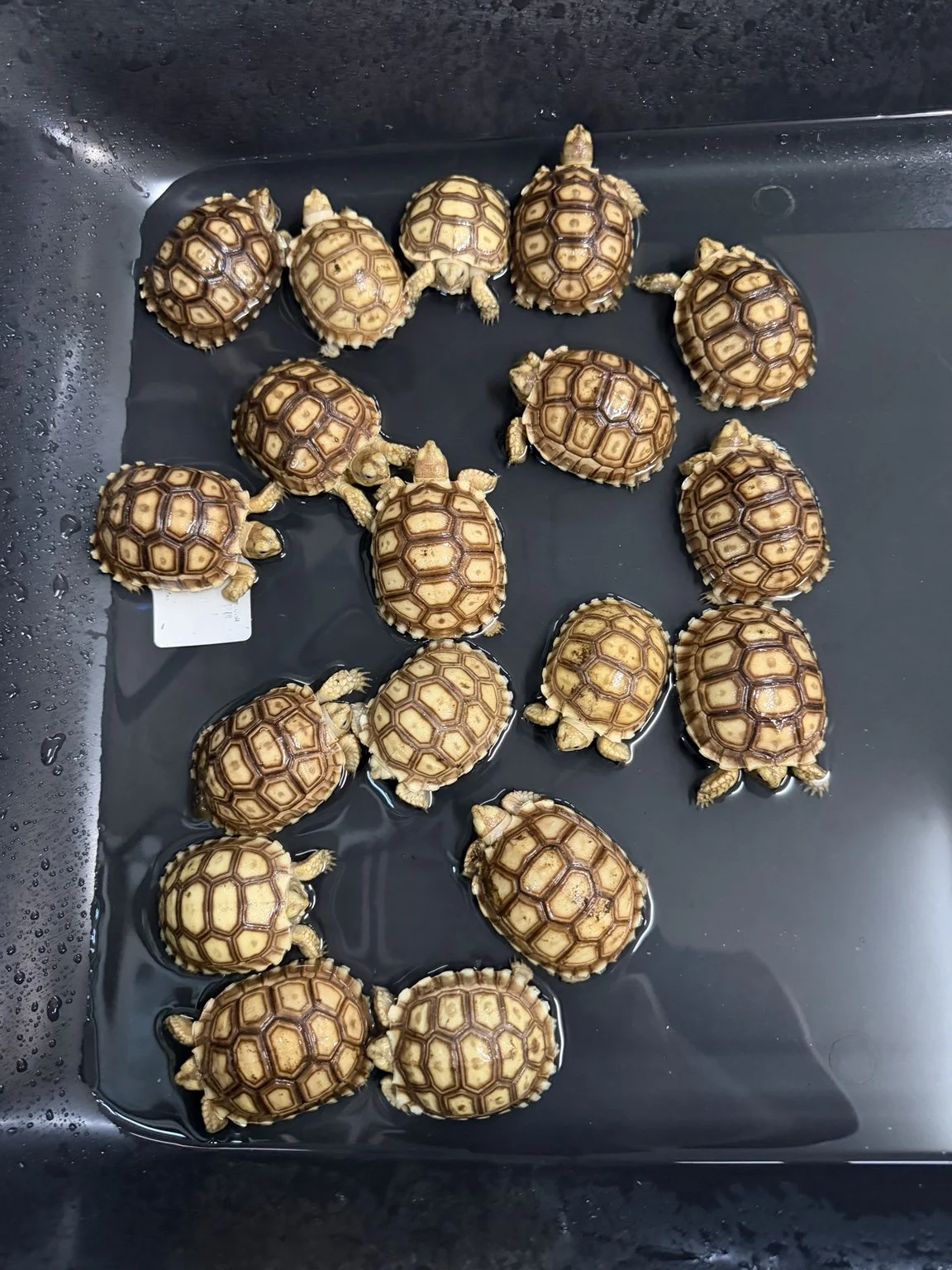
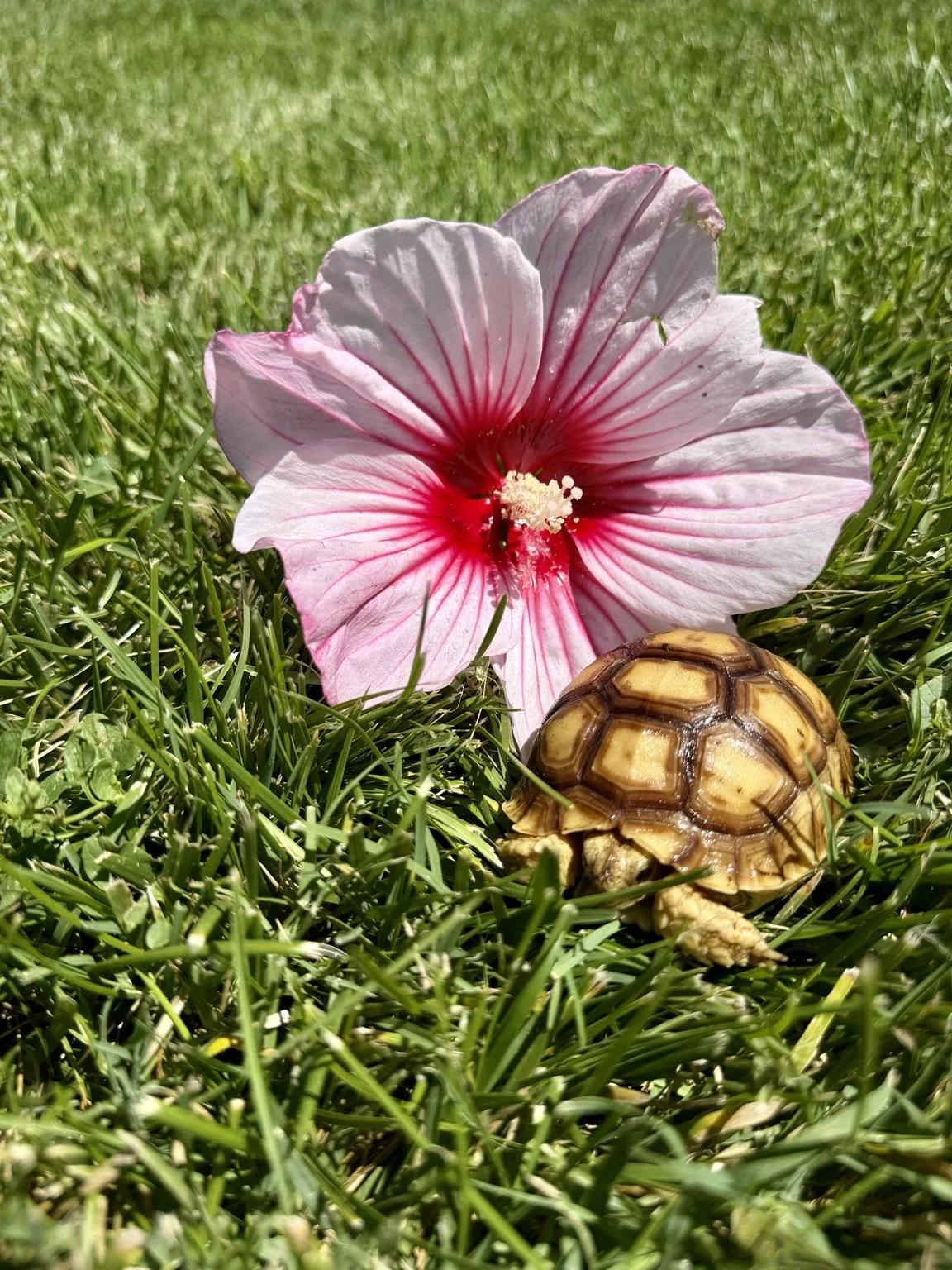
Sulcata Hatchlings
Captive-bred Sulcata hatchlings are currently our only tortoises available for sale. Email Kyle for current availability and pricing.
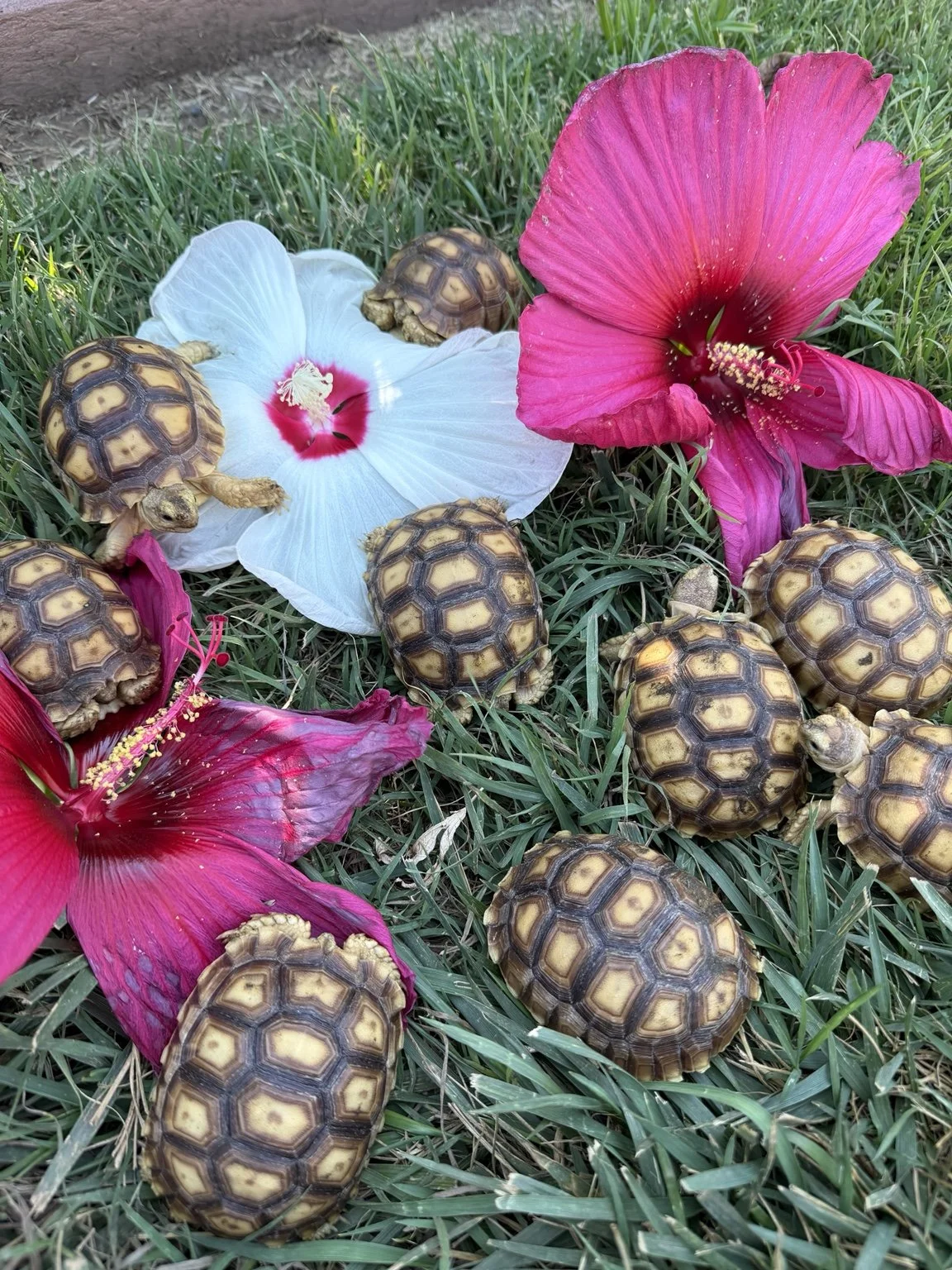
Ask About Availability
Interested in a captive-bred Sulcata hatchling? Contact Kyle for current availability and pricing. Tell us where you’re located and a little about the enclosure you’re planning.
Care Guides
Choose a species for guidance on housing, lighting, hydration, and diet. Adjust the setup for your animal’s age and local climate.
Burmese Black Mountain Tortoise Manouria emys phayrei
- Enclosure
- Build a roomy, shaded forest-style pen with moisture-retaining soil, leaf litter, a humid retreat, and a shallow pool with easy access.
- Heat, lighting, and hydration
- Provide gentle warmth, filtered sunlight or suitable UVB, and cooler shaded areas. Young animals need especially consistent humidity and good ventilation.
- Diet
- Offer varied pesticide-free broadleaf greens and browse, such as hibiscus and mulberry leaves.
Burmese Black Mountain Tortoise profile (U.S. Fish & Wildlife Service)
Burmese Brown Mountain Tortoise Manouria emys emys
- Enclosure
- Use a humid forest-style enclosure with deep, damp leaf litter, abundant shade, a sheltered retreat, and a shallow water dish.
- Heat, lighting, and hydration
- Keep a mild temperature gradient and provide suitable UVB. Monitor humidity closely for juveniles and keep the substrate moist with good drainage.
- Diet
- Rotate edible leaves, weeds, and other leafy browse as the foundation of the diet.
Leopard Tortoise Stigmochelys pardalis
- Enclosure
- Provide a spacious grazing enclosure with a dry, well-drained surface, shade, and a weatherproof shelter.
- Heat, lighting, and hydration
- Offer strong basking light, UVB, and a cooler retreat. Give juveniles a humid hide and provide fresh shallow water at every age.
- Diet
- Base the diet on grasses and safe weeds, with leafy browse for variety.
Sulcata Tortoise Centrochelys sulcata
- Enclosure
- Plan for a very large adult enclosure with sturdy barriers, shade, and a dry heated shelter. Account for digging when building the perimeter.
- Heat, lighting, and hydration
- Set up hatchlings with basking heat, UVB, a humid retreat, and easy access to shallow water. Provide heated housing during cold weather.
- Diet
- Feed mostly grasses and grass hay, supplemented with safe broadleaf weeds.
Radiated Tortoise Astrochelys radiata
- Enclosure
- Provide a spacious, well-drained enclosure with open basking areas, shade, and a protected retreat.
- Heat, lighting, and hydration
- Offer warmth and UVB alongside cooler shelter, clean shallow water, and a humid retreat for young tortoises.
- Diet
- Build meals around varied grasses and leafy forage. Spineless prickly pear pads can add variety.
Sri Lankan Star Tortoise Geochelone elegans
- Enclosure
- Use a secure, warm enclosure with good airflow, shade, and sheltered areas. Give juveniles a humid retreat.
- Heat, lighting, and hydration
- Provide UVB and a warm basking zone, along with cooler cover and a shallow dish of fresh water. Protect the enclosure from cold drafts.
- Diet
- Offer grasses, safe weeds, and leafy browse as the main diet.
Red Foot Tortoise Chelonoidis carbonarius
- Enclosure
- Provide a warm, humid enclosure with leaf litter, shaded hides, and a shallow dish the tortoise can enter and exit easily.
- Heat, lighting, and hydration
- Use a gentle heat gradient and suitable UVB, with dense cover and good airflow.
- Diet
- Offer varied leafy greens, vegetables, and some fruit. Discuss occasional animal protein and supplementation with a reptile veterinarian.
Libyan Greek Tortoise Testudo graeca cyrenaica
- Enclosure
- Provide a secure, well-drained pen with sunny basking spots, shaded hides, and a dry shelter.
- Heat, lighting, and hydration
- Offer UVB, a heat gradient, shallow water, and seasonally appropriate shelter. Ask a reptile veterinarian familiar with this subspecies before attempting any winter dormancy.
- Diet
- Feed varied broadleaf weeds and greens, such as dandelion, plantain, and sow thistle.
Further reading: Libyan Greek Tortoise (Cyrenaican Tortoise section)
Eastern Hermann’s Tortoise Testudo hermanni boettgeri
- Enclosure
- Use a secure, well-drained enclosure with edible plants, a sunny basking area, and shaded retreats.
- Heat, lighting, and hydration
- Provide UVB, a warm basking spot, shallow water, and a sheltered humid microclimate for juveniles. Discuss seasonal brumation with a reptile veterinarian.
- Diet
- Rotate safe broadleaf weeds, edible flowers, and leafy greens.
Russian Tortoise Testudo horsfieldii
- Enclosure
- Build a well-drained enclosure with solid, dig-resistant barriers, deep soil for burrowing, and secure hides.
- Heat, lighting, and hydration
- Provide strong UVB, a warm basking area, cooler shelter, and shallow fresh water. Discuss brumation with a reptile veterinarian before attempting it.
- Diet
- Offer a variety of broadleaf weeds and leafy greens.
Ornate Box Turtle Terrapene ornata
- Enclosure
- Provide a secure enclosure with loose soil for digging, grassy cover, dry and moist retreats, and a shallow dish with easy exits.
- Heat, lighting, and hydration
- Offer UVB and a temperature gradient with plenty of shade. Keep some areas moist so the turtle can choose its microclimate.
- Diet
- Offer a varied omnivorous diet with suitable invertebrates such as earthworms and crickets, plus appropriate plant foods.
Contact
Burmese Black Mountain Tortoises
Burmese Brown Mountain Tortoises
Leopard Tortoises
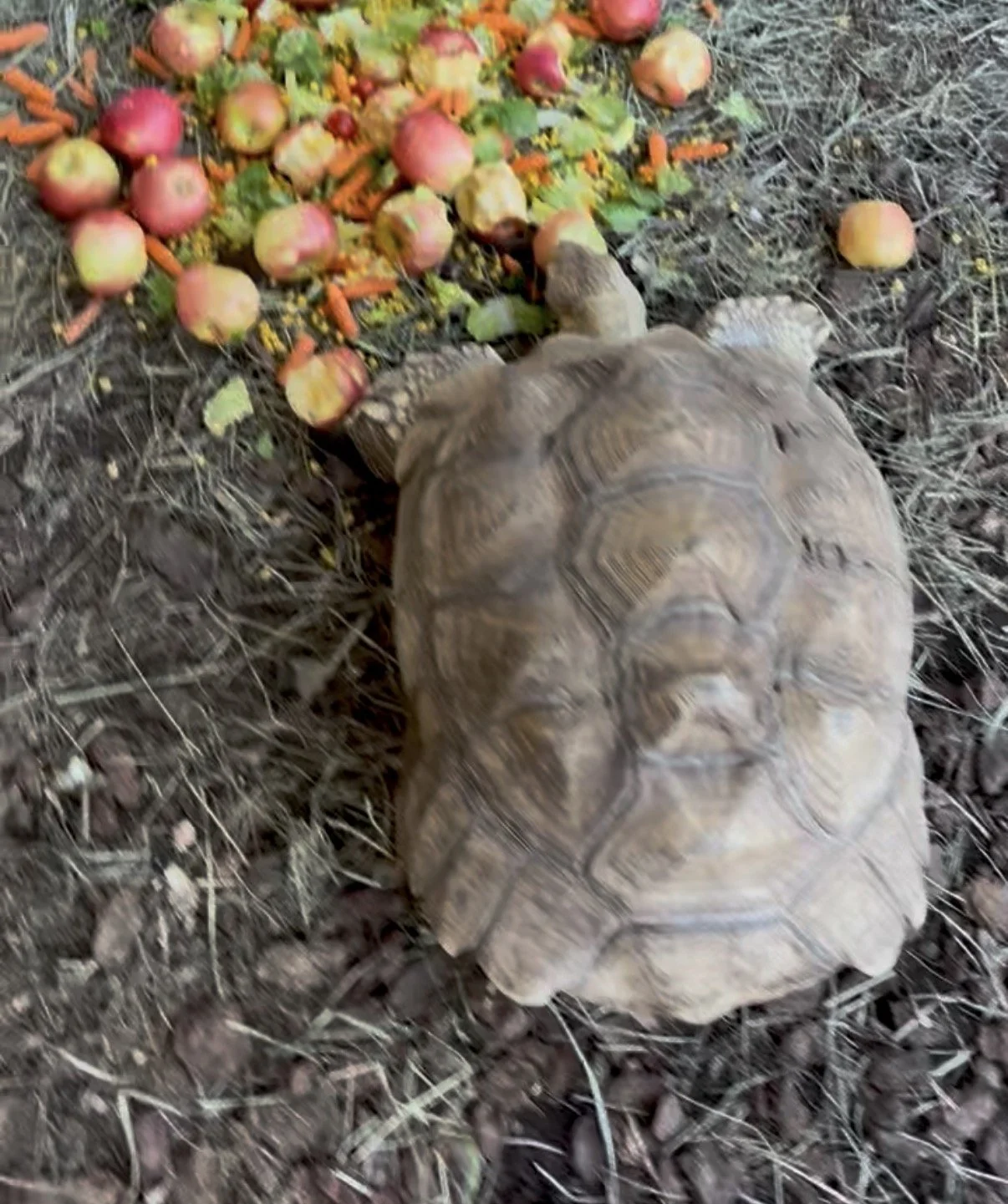
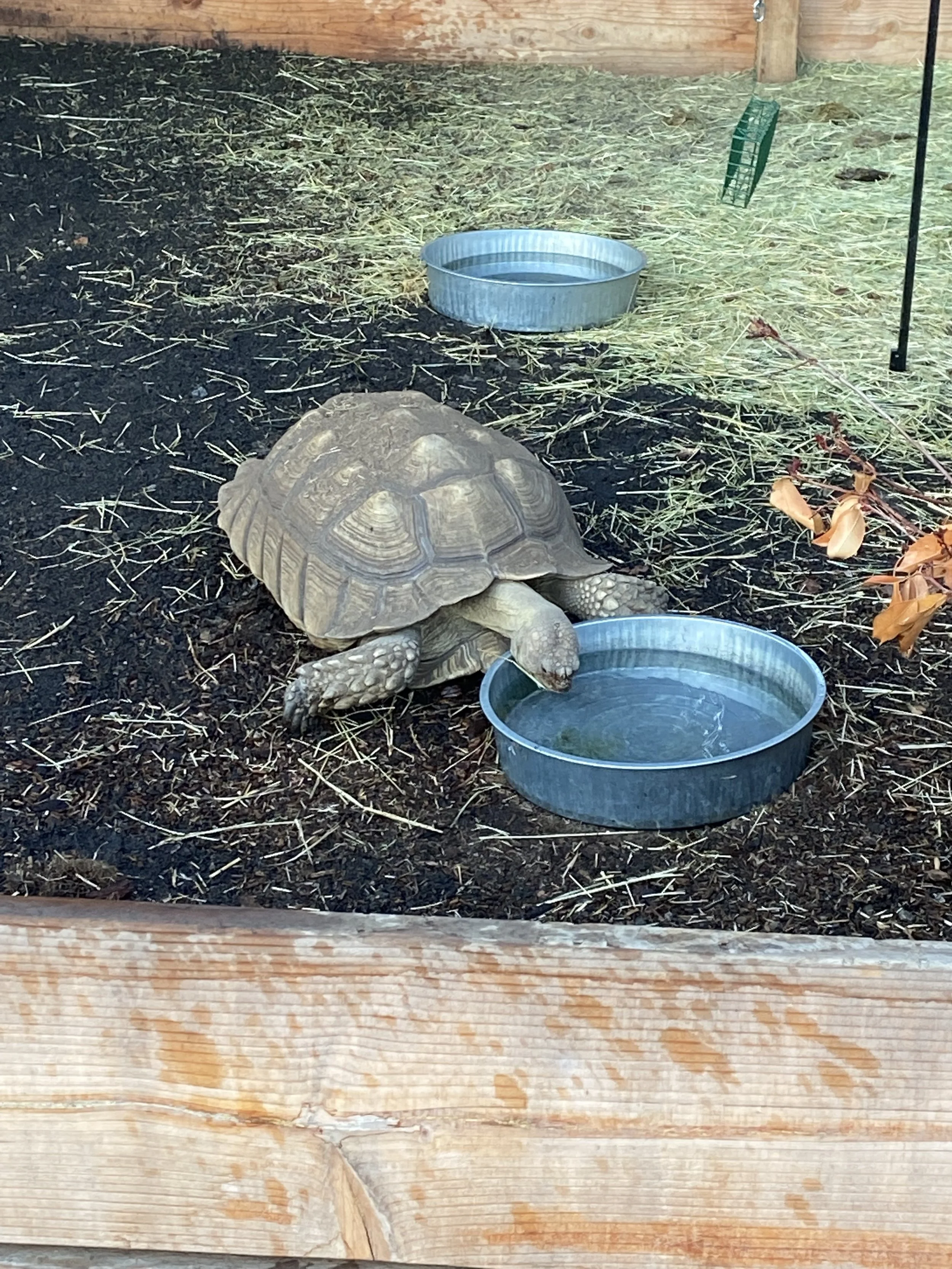
Sulcata Tortoises
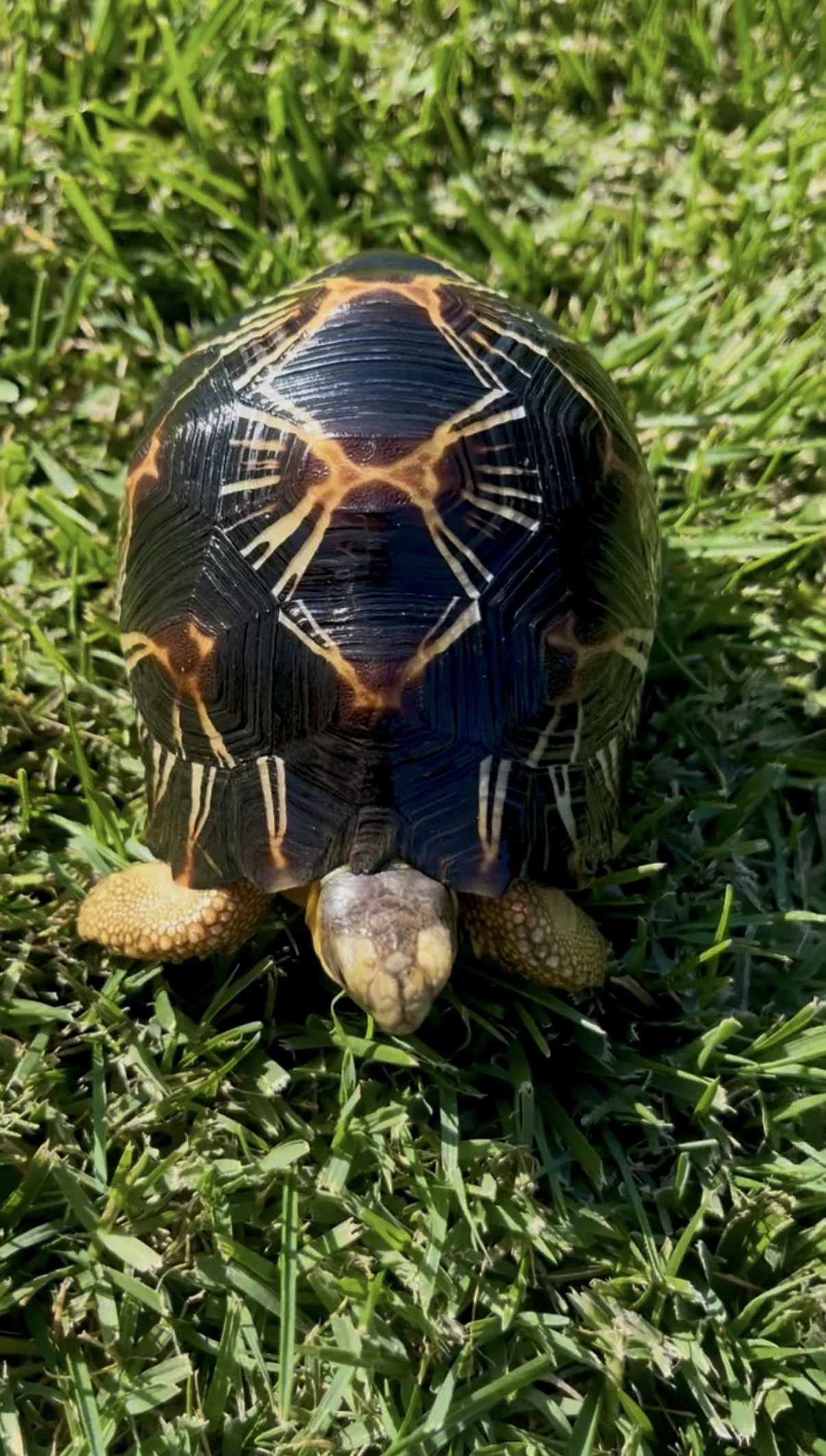
Radiated Tortoises
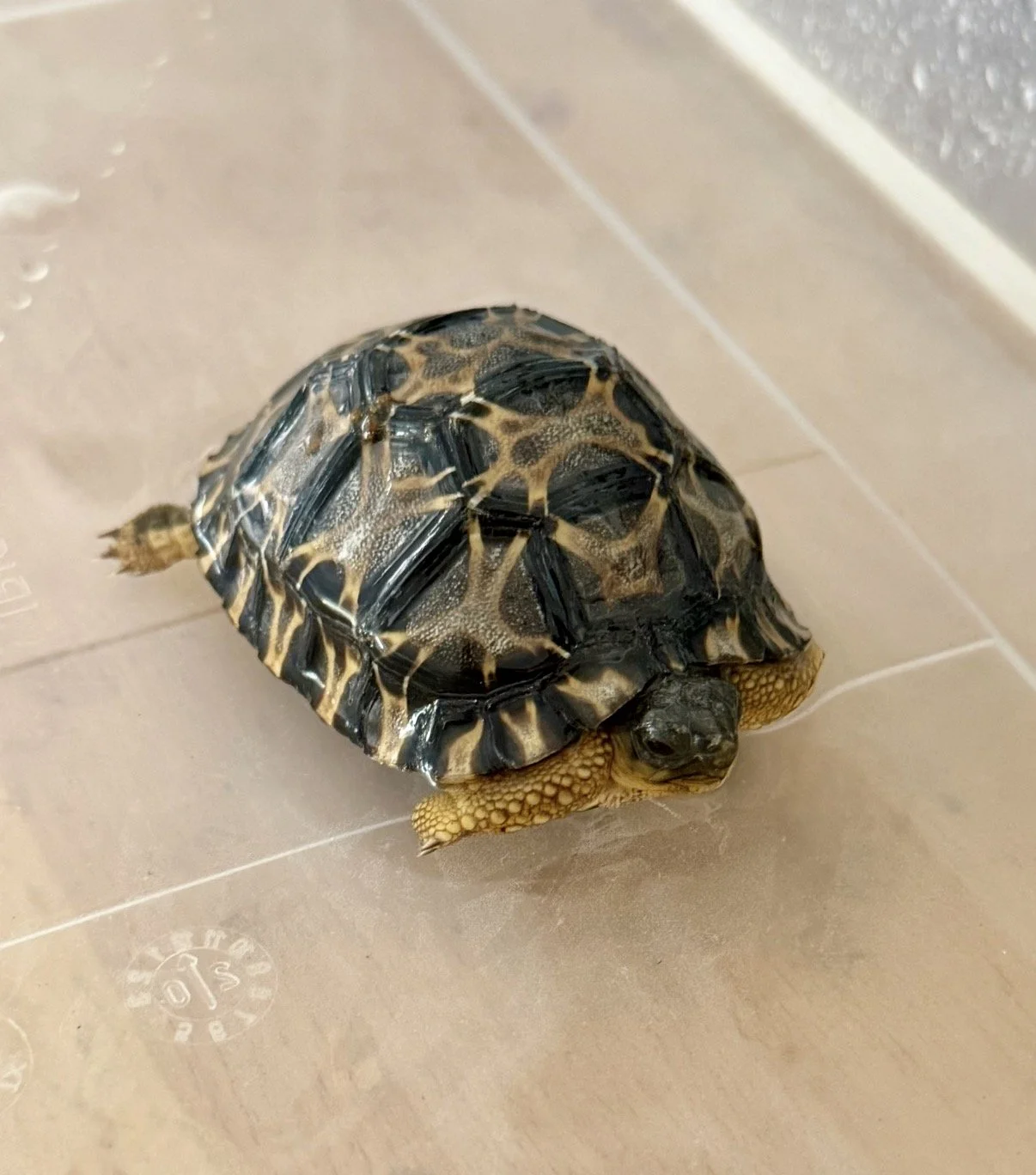
Sri Lankan Star Tortoises
Red Foot Tortoises
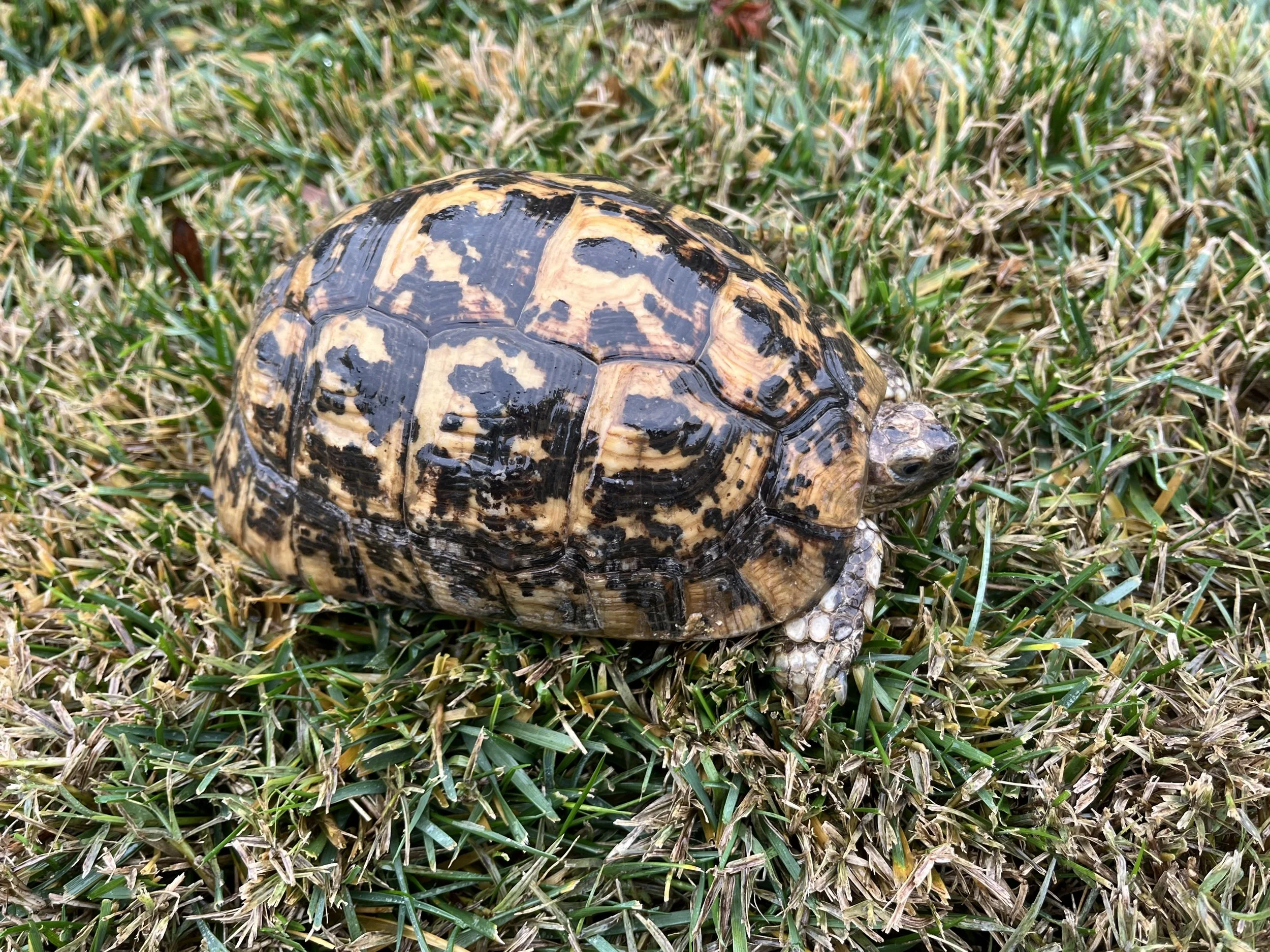
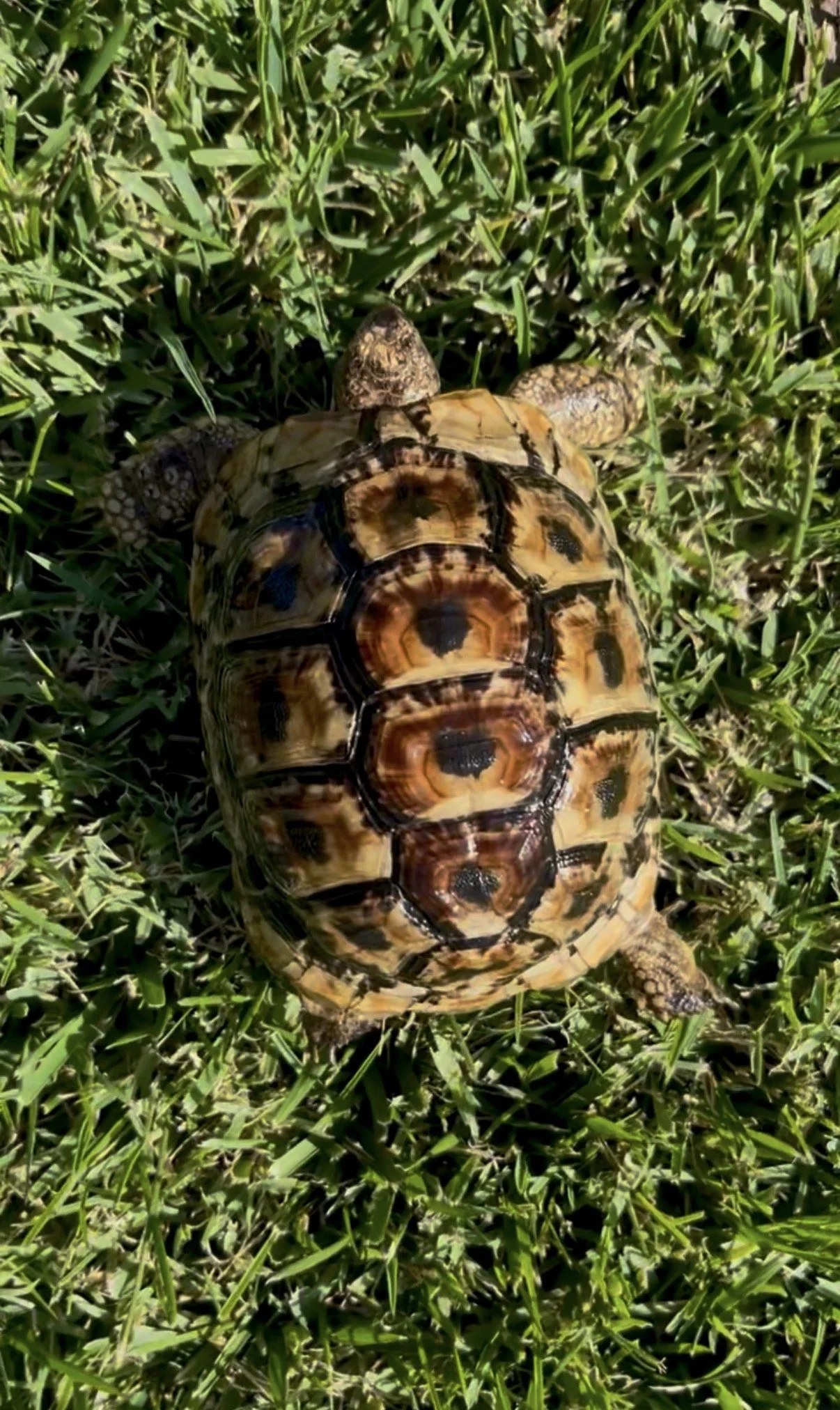
Libyan Greek Tortoises
Eastern Hermann’s Tortoises
Ornate Box Turtles
Russian Tortoise
BLACK BUTTE TORTOISE · BUTTE COUNTY, CALIFORNIA
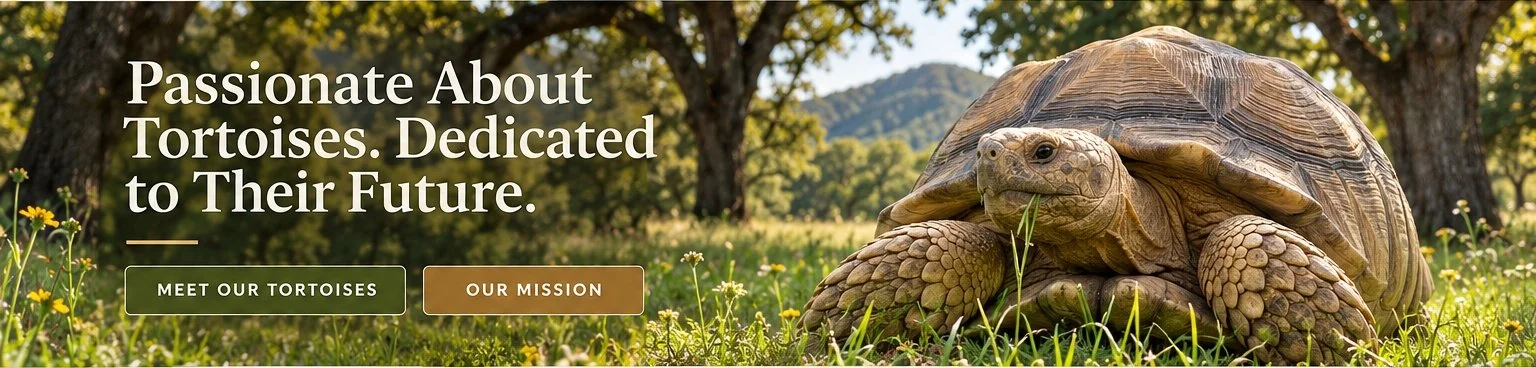
Passionate About Tortoises. Dedicated to Their Future.
We’re a family-run breeding program raising healthy, captive-bred tortoises in Northern California. Education, preservation, and conservation guide our work.
Meet Our Tortoises · Our Mission
Meet the Tortoises
Ellie · Eastern Hermann’s tortoise. We discovered Ellie after she hatched naturally in one of our outdoor enclosures.
Sahm · Radiated tortoise. Meet one of the radiated tortoises in our collection.
Tango · Yellow-footed tortoise. Tango came to us as a rescue and improved with dedicated care.
Available Tortoises
Ask Kyle about current availability. Tell us which species you’re interested in and what enclosure you’re planning.
Care Guides
Before bringing a tortoise home, plan for its adult size and look up species-specific guidance on enclosure design, lighting, diet, and hydration.